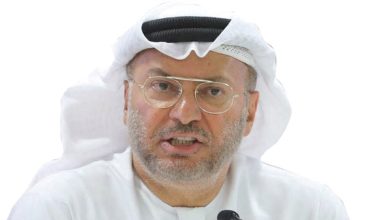

قرقاش: العدوان الإيراني على دول الخليج العربي يكرّس الخطر الإيراني محوراً رئيسياً في الفكر الخليجي

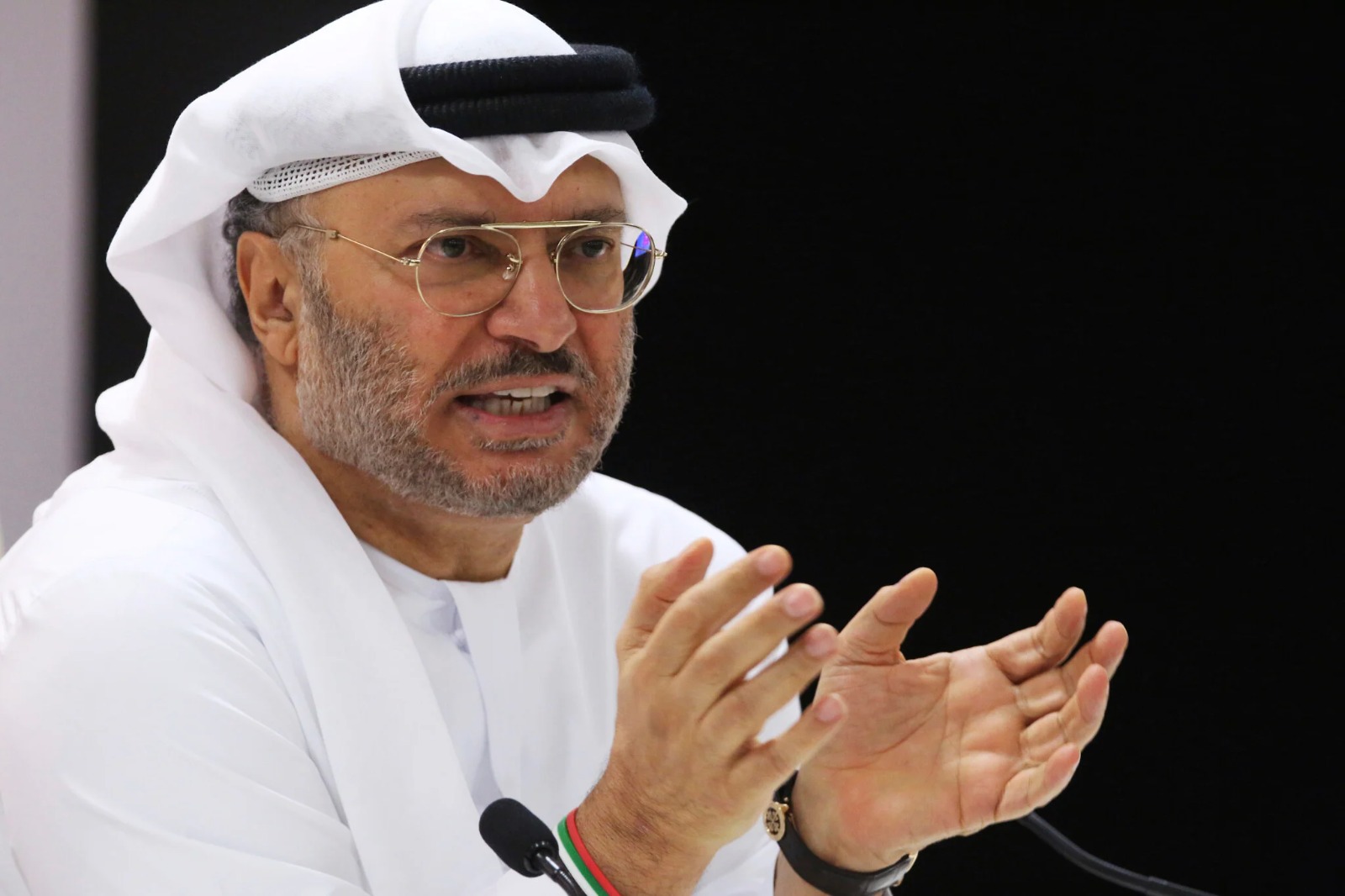
The escalating tensions in the Gulf region, particularly concerning Iranian aggression, have become a central focus of regional and international security discussions. Dr. Anwar Mohammed Gargash, Diplomatic Advisor to the UAE President, recently highlighted the profound geopolitical implications of this aggression, emphasizing the need for a robust and independent Gulf security framework. This article delves into Dr. Gargash’s analysis of the Iranian aggression and its impact on the future of security in the Arabian Gulf.
تداعيات العدوان الإيراني على الأمن الخليجي (Implications of Iranian Aggression on Gulf Security)
Dr. Gargash’s statement, released on the platform formerly known as Twitter (X), underscores a critical shift in the strategic thinking within the Gulf Cooperation Council (GCC). He asserts that the repeated acts of Iranian aggression, manifested through missile and drone attacks, coupled with hostile rhetoric, are solidifying Iran as a primary security concern. This isn’t simply a temporary crisis; it’s a fundamental reshaping of the security landscape.
He specifically points to the need to move beyond reactive measures, like ceasefires, and towards sustainable solutions. This includes addressing the root causes of instability and proactively mitigating future threats. The focus is no longer solely on responding to attacks, but on building a resilient and self-reliant security architecture.
تعزيز القدرات الوطنية والأمن الخليجي المشترك (Strengthening National Capabilities and Joint Gulf Security)
A key takeaway from Dr. Gargash’s statement is the emphasis on bolstering national defense capabilities and fostering greater security cooperation amongst Gulf states. The UAE, and other GCC members, are recognizing the limitations of relying solely on external security guarantees.
This necessitates significant investment in advanced military technologies, intelligence gathering, and cybersecurity. Furthermore, it requires a unified approach to defense planning and joint military exercises. The goal is to create a deterrent force capable of effectively responding to any future acts of Iranian aggression.



Additionally, Dr. Gargash highlights the importance of maintaining and strengthening security partnerships with allies, particularly the United States. These partnerships are seen as crucial for providing access to advanced technologies, intelligence sharing, and logistical support.
الأمن الإقليمي وشراكات واشنطن (Regional Security and Washington Partnerships)
The UAE’s approach isn’t isolationist, but rather a call for a more nuanced and independent security posture. While acknowledging the value of long-standing alliances, Dr. Gargash’s statement suggests a desire for greater autonomy in decision-making and a more proactive role in shaping the regional security agenda.
This is particularly relevant in light of evolving geopolitical dynamics and the perceived limitations of traditional security frameworks. The focus is on building a security architecture that is tailored to the specific threats and challenges facing the Gulf region.
The statement also implicitly criticizes what it views as Iran’s destabilizing behavior, including its support for proxy groups and its pursuit of a nuclear weapons capability. Addressing these issues is seen as essential for achieving lasting peace and stability in the region. The threat of nuclear proliferation is a significant concern, and requires a concerted international effort to contain.
مخاطر التصعيد والحلول المستدامة (Risks of Escalation and Sustainable Solutions)
Dr. Gargash’s warning against allowing aggression to become a “permanent state of threat” is a stark reminder of the potential for escalation. The current situation is fraught with risk, and a miscalculation could easily lead to a wider conflict.
Therefore, the UAE is advocating for a comprehensive approach to security that addresses not only the immediate threats, but also the underlying causes of instability. This includes diplomatic efforts to de-escalate tensions, economic measures to counter Iran’s destabilizing activities, and a commitment to finding a peaceful resolution to regional conflicts. The issue of control over vital waterways, like the Strait of Hormuz, and preventing maritime security disruptions is also paramount.
نحو مستقبل أكثر أمانًا للخليج (Towards a More Secure Future for the Gulf)
Dr. Anwar Gargash’s recent statement provides a valuable insight into the UAE’s evolving strategic thinking on the issue of Iranian aggression. It’s a clear signal that the Gulf states are determined to take ownership of their own security and build a more resilient and independent security architecture.
The emphasis on strengthening national capabilities, fostering regional cooperation, and maintaining strategic partnerships with allies is a pragmatic and forward-looking approach. Ultimately, the goal is to create a Gulf region that is secure, stable, and prosperous, free from the threat of external aggression and internal conflict. The path forward requires a commitment to dialogue, diplomacy, and a willingness to address the root causes of instability. Continued engagement and a proactive approach are essential to achieving a lasting and sustainable peace in the Arabian Gulf.