
الإمارات و7 دول عربية وإسلامية تطالب بإدخال فوري للمساعدات الإنسانية إلى غزة

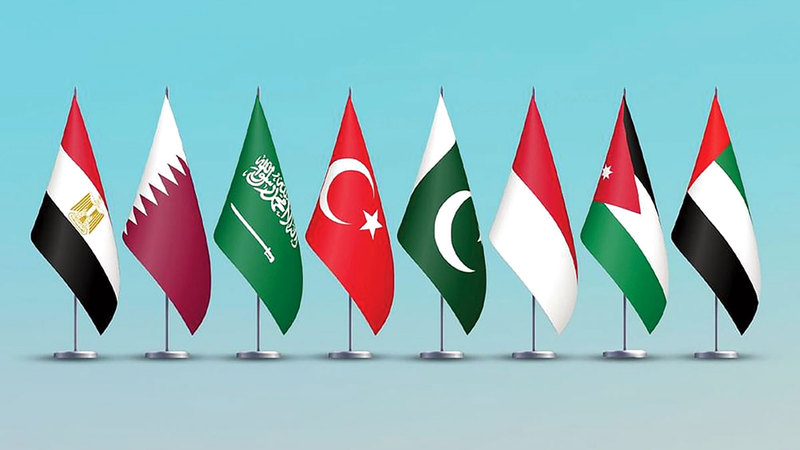
The dire humanitarian situation in the Gaza Strip has reached a critical point, prompting urgent calls for action from several Arab and Islamic nations. Recent statements released by the foreign ministers of the United Arab Emirates, Jordan, Indonesia, Pakistan, Turkey, Saudi Arabia, Qatar, and Egypt express deep concern over the escalating crisis, worsened by severe weather conditions and the continued restriction of vital aid. This article delves into the specifics of their joint statement, the implications for the Palestinian people, and the necessary steps for international intervention regarding the situation in Gaza.
Deteriorating Humanitarian Conditions in Gaza Exacerbated by Weather
The foreign ministers highlighted the alarming deterioration of the humanitarian situation in Gaza, a crisis amplified by exceptionally harsh weather. Heavy rains and storms have compounded the already desperate conditions faced by nearly 1.9 million people, a significant proportion of whom are internally displaced and living in inadequate shelters. The existing infrastructure, already weakened by conflict, has proven unable to cope with the deluge, resulting in flooded camps, damaged tents, and collapsing buildings.
This confluence of circumstances has drastically increased the risks to civilians, particularly the vulnerable – children, women, the elderly, and individuals with pre-existing medical conditions. Exposure to the cold, coupled with malnutrition, raises the spectre of widespread illness and even death. The statement makes clear the urgency: the weather isn’t causing the crisis, it’s dramatically revealing its depth and scale.
Impact on Displaced Populations & Healthcare
The impact on displaced populations is particularly devastating. Those forced from their homes lack the basic necessities for survival, including proper bedding, heating, and sanitation. This is forcing many into overcrowding, increasing the probability of disease outbreaks. Simultaneously, the ongoing conflict has crippled Gaza’s already fragile healthcare system.
Shortages of medical supplies, fuel for generators, and functioning facilities severely hinder the ability to treat the sick and injured. The ministers stressed the critical need for immediate and unhindered access to healthcare services for all Gazans, a concern echoed by numerous international aid organizations.



Calls for Unrestricted Humanitarian Access
The ministers collectively demanded that Israel guarantee the safe and sustainable operation of the United Nations and other international non-governmental organizations (NGOs) working to deliver aid in both Gaza and the West Bank. They emphasized the pivotal role these organizations play in providing essential humanitarian assistance and condemned any attempts to obstruct their work as unacceptable.
The current limitations on aid delivery are not merely logistical; they represent a systematic impediment to alleviating a truly catastrophic situation. The statement points to the slow pace of essential material entry, necessary for rebuilding infrastructure and constructing temporary housing, as a major contributing factor to the swelling crisis currently unfolding. Humanitarian aid to Gaza must be expedited and increased to meet the overwhelming needs of the population.
Support for Resolutions & a Path to Peace
The group of foreign ministers reaffirmed their full support for United Nations Security Council Resolution 2803 and the overall plan presented by former US President Donald Trump. They voiced their commitment to contribute to the successful implementation of these initiatives, underpinning a shared objective to achieve a lasting ceasefire, end the war in Gaza, and ensure a dignified life for the Palestinian people.
This reiteration of support highlights the desire for a comprehensive and sustainable solution to the conflict, one that addresses the root causes of the suffering and paves the way for a credible path towards Palestinian self-determination and statehood. The ministers understand that simply addressing immediate needs is insufficient; a long-term political resolution is paramount.
International Responsibility and Urgent Action Needed
The statement underscores the urgent need for the international community to fulfill its legal and moral responsibilities. It directly appeals to international pressure on Israel, as the occupying power, to immediately lift all restrictions on the entry and distribution of essential supplies. This includes tents, shelter materials, medical aid, clean water, fuel, and sanitary services, all crucial for survival.
The ministers further called for an immediate, full, and unimpeded influx of humanitarian aid to Gaza through the United Nations and its affiliated agencies, alongside the rebuilding of damaged infrastructure and hospitals. Specifically, the reopening of the Rafah crossing in both directions, as stipulated in the Trump plan, was deemed essential to facilitate the movement of aid and personnel.
Addressing the situation in Gaza requires a coordinated and substantial response from the international community, built on principles of humanity, necessity, and respect for international law. The ministers’ united call serves as a critical reminder that the plight of the Palestinian people demands immediate attention and resolute action to avert further catastrophe. The window for meaningful intervention is rapidly closing, and the consequences of inaction will be immeasurable.