
للمرة الأولى.. السماح باستخدام «القنّب الصناعي» في المنتجات الطبية بالدولة

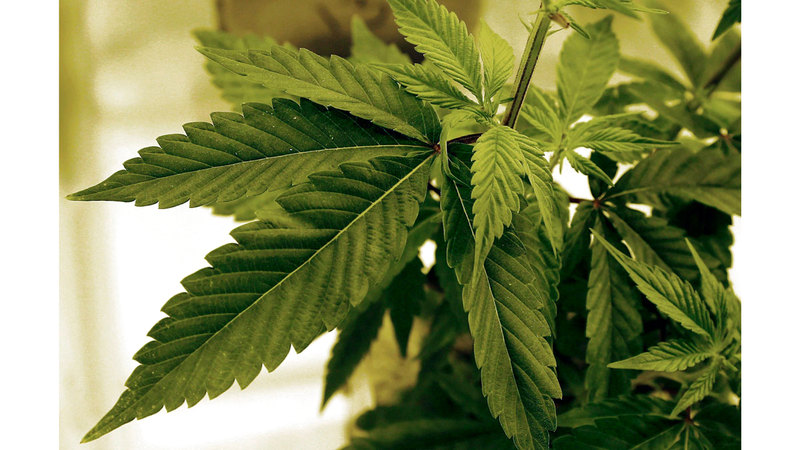
The United Arab Emirates has taken a significant step towards diversifying its economy with the recent issuance of a federal decree-law regulating the industrial and medical uses of industrial hemp. This legislation aims to foster sustainable economic development by establishing a new economic sector and a promising market, aligning with global best practices. The decree-law outlines clear guidelines for the cultivation, manufacturing, and use of industrial hemp, while strictly prohibiting recreational use.
A New Economic Frontier: Regulating Industrial Hemp in the UAE
This new law marks a pivotal moment for the UAE, opening doors to a range of industries. Industrial hemp can be utilized in the production of textiles, clothing, paper, and construction materials. Furthermore, the decree-law allows for the manufacturing of legally permitted medical products derived from hemp, potentially revolutionizing the pharmaceutical sector. This move demonstrates the UAE’s commitment to innovation and economic diversification beyond traditional industries.
Strict Regulations: Personal Use and Prohibited Products
While the decree-law encourages industrial and medical applications, it firmly prohibits personal or recreational use of industrial hemp. This includes the import, manufacture, or use of hemp-related products such as food items, dietary supplements, veterinary products, and smoking materials. Additionally, the import or manufacture of cosmetics containing hemp is banned, with limited exceptions for products utilizing oils extracted from hemp seeds or stalks, subject to ministerial decisions.
Crucially, any compounds within hemp products that possess psychoactive effects, directly or indirectly, will be subject to existing drug and criminal laws. This underscores the UAE’s commitment to maintaining public safety and preventing misuse.
Scope of Application and Emirate-Level Authority
The provisions of the decree-law apply to all activities related to industrial hemp conducted within the UAE, including those within free zones. These activities encompass the import and export of hemp seeds, controlled cultivation in secured and monitored locations, the handling of seeds and seedlings, and the manufacturing, import, export, and trade of legally permitted products.



Importantly, each Emirate retains the authority to prohibit or restrict certain hemp-related activities, in accordance with its own legislation. In such cases, existing criminal, drug, and penalty laws will apply. This decentralized approach allows for tailored regulations based on local needs and priorities.
Medical Applications: A Breakthrough in Healthcare
For the first time, the decree-law permits the use of industrial hemp in medical products containing hemp compounds or derived raw materials. However, these products will be strictly regulated under the existing laws governing pharmaceuticals, pharmacy practice, and pharmaceutical facilities. This ensures that any medical applications of hemp meet the highest standards of safety and efficacy.
Import Controls: Licensing and Seed Requirements
The decree-law establishes stringent controls over the import and export of hemp seeds. A license from the Ministry of Climate Change and Environment is mandatory, based on specific conditions and requirements. Applicants must be licensed agricultural companies, and the seeds must be from approved varieties listed in the law’s executive regulations.
Furthermore, imported seeds can only be used for agricultural purposes within designated areas approved by local authorities, and within authorized acreage limits. These measures are designed to prevent diversion and ensure responsible cultivation.
Cultivation Regulations: Security and Monitoring
Cultivation of industrial hemp requires a license from the Ministry of Climate Change and Environment, alongside necessary approvals from local authorities. A key requirement is security clearance from a committee affiliated with the National Anti-Narcotics Agency.
License holders must adhere to strict guidelines, including cultivation within designated, secured, and monitored areas, adherence to authorized acreage and quantity limits, and regular inspections. Cultivation is prohibited in natural habitats and protected areas, and all personnel working in these areas require security clearances.
Manufacturing Standards: Quality Control and Traceability
Manufacturing products from industrial hemp also necessitates a license from the local authority, following approval from the Ministry of Industry and Advanced Technology. Manufacturers must comply with existing regulations, utilize approved products and applications, and implement a certified quality management system with electronic documentation for each production batch.
Dedicated areas within the manufacturing facility are required for raw material reception, production, packaging, storage, waste management, and shipping, adhering to technical standards. Manufacturers are prohibited from using processes that increase the concentration of tetrahydrocannabinol (THC) above 0.3% and must conduct regular testing to ensure compliance.
National Tracking System and Data Management
To ensure comprehensive oversight, the decree-law mandates the establishment of a national system for tracking hemp seeds, seedlings, and products. This system will be managed by a designated entity, as determined by a ministerial decision, and will include data sources, management procedures, and access controls.
The Ministry of Climate Change and Environment will also create a unified electronic registry containing all data related to licensees and hemp-related activities. This registry will be accessible to relevant federal and local authorities, facilitating data sharing and regulatory compliance.
In conclusion, the UAE’s new decree-law on industrial hemp represents a forward-thinking approach to economic diversification and innovation. By establishing a clear regulatory framework, the UAE aims to unlock the potential of this versatile plant while safeguarding public health and security. The success of this initiative will depend on effective implementation, ongoing monitoring, and collaboration between federal and local authorities. This legislation positions the UAE as a regional leader in the emerging hemp industry, attracting investment and fostering sustainable economic growth.