

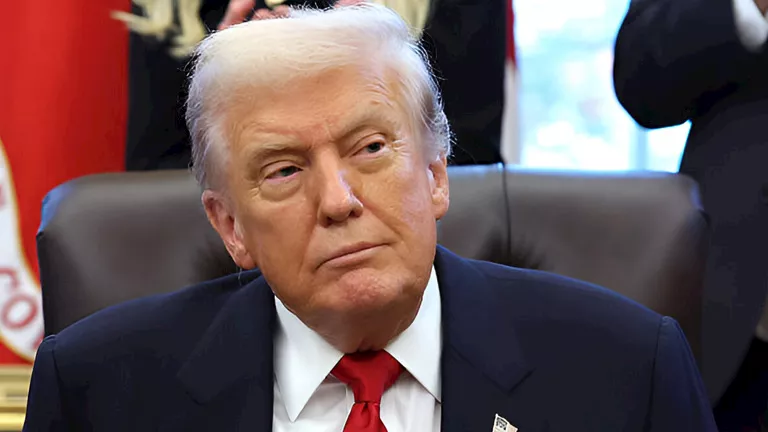
The United States and Saudi Arabia have significantly strengthened their ties with a new wave of agreements focusing on energy and defense. These developments, occurring during the visit of Saudi Crown Prince Mohammed bin Salman to Washington, signal a renewed strategic partnership between the two nations. Central to this collaboration is the ambitious pursuit of الطاقة النووية المدنية (Civilian Nuclear Energy), a topic that has garnered considerable attention and promises long-term benefits for both countries. This article will delve into the details of these agreements, their implications, and the broader context of US-Saudi relations.
اتفاقيات الطاقة النووية والدفاع: تعزيز الشراكة الاستراتيجية
The recent signing of agreements in the fields of civilian nuclear energy and defense marks a pivotal moment in US-Saudi relations. These aren’t simply transactional deals; they represent a deepening commitment to cooperation on issues of mutual importance. The agreements were finalized following meetings between the Crown Prince and key US officials, demonstrating a high level of political will on both sides.
تفاصيل اتفاقية الطاقة النووية
The cornerstone of the new partnership is the joint declaration regarding civilian nuclear energy. This declaration establishes the legal framework for collaboration, potentially unlocking billions of dollars in investment over the coming decades. Crucially, the agreement explicitly adheres to the principles of the Treaty on the Non-Proliferation of Nuclear Weapons (NPT), addressing concerns about the potential for weaponization.
The focus is on developing Saudi Arabia’s nuclear infrastructure for peaceful purposes, primarily electricity generation. This aligns with Saudi Vision 2030, a national strategy aimed at diversifying the Kingdom’s economy and reducing its reliance on oil. The development of الطاقة النووية المدنية will be a key component in achieving these goals, providing a sustainable and reliable energy source.
التعاون في مجال الدفاع
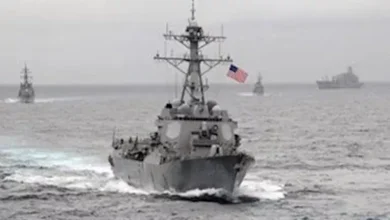
Alongside the nuclear energy agreement, significant progress was made in defense cooperation. While specific details haven’t been fully disclosed, sources indicate a strengthening of security partnerships aimed at countering regional threats. This likely encompasses increased arms sales, joint military exercises, and intelligence sharing. Ensuring regional stability is a shared objective, and enhanced defense collaboration is seen as vital.



دوافع وأهداف كلا الجانبين
The motivations behind these agreements are complex, reflecting the distinct priorities of the US and Saudi Arabia. For the United States, maintaining a strong relationship with Saudi Arabia remains critical for regional influence, energy security, and counter-terrorism efforts. The agreements also provide economic opportunities for US companies involved in nuclear technology and defense.
For Saudi Arabia, diversifying its energy sources, bolstering its national security, and attracting foreign investment are paramount. The pursuit of الطاقة النووية المدنية is seen as a long-term investment in the country’s future development. Additionally, strengthened ties with the US offer political and diplomatic support, particularly important in the current geopolitical landscape. Saudi Arabia’s strategic vision clearly sees a stronger, more integrated partnership with the US as essential.
التحديات والمخاوف المحتملة
Despite the optimistic outlook, challenges and potential concerns remain. International scrutiny surrounding Saudi Arabia’s human rights record, and the sensitive nature of nuclear technology, will necessitate transparent and verifiable safeguards.
Furthermore, the potential for regional escalation, particularly amidst ongoing tensions with Iran, adds a layer of complexity. Maintaining a delicate balance between strengthening Saudi defense capabilities and avoiding actions that could further destabilize the region will be crucial.
Another area needing careful navigation involves the transfer of sensitive technology. While the agreements explicitly emphasize adherence to the NPT, ensuring robust security measures and preventing any unauthorized proliferation is of the utmost importance. Developing local expertise while managing technological transfer effectively is a key challenge. Consideration of أمن الطاقة (Energy Security) is vital throughout this process.
تأثير الاتفاقيات على المنطقة والعالم
These agreements are likely to have far-reaching consequences beyond the bilateral relationship between the US and Saudi Arabia. The development of civilian nuclear energy in Saudi Arabia could influence energy markets globally and potentially encourage other nations in the region to pursue similar programs.
Moreover, the heightened security cooperation could impact the balance of power in the Middle East. A more secure and stable Saudi Arabia could serve as a crucial anchor for regional peace, however, it could also prompt reactions from other actors, requiring careful diplomatic engagement. The wider implications for الاستثمار الأجنبي المباشر (Foreign Direct Investment) in the region are also significant, with potentially increased interest from international businesses.
الخلاصة: نظرة مستقبلية للشراكة بين الولايات المتحدة والمملكة العربية السعودية
The recent agreements between the US and Saudi Arabia represent a significant step forward in their strategic partnership. The focus on الطاقة النووية المدنية alongside strengthened defense cooperation signals a commitment to long-term collaboration on issues critical to both nations. While challenges remain, the potential benefits – including economic diversification, enhanced security, and regional stability – are substantial.
Looking ahead, continued dialogue, transparency, and a steadfast adherence to international norms will be essential to maximizing the positive impact of this renewed partnership. It is crucial for both countries to address concerns proactively and ensure that these agreements contribute to a more peaceful and prosperous future for the region and the world. We encourage readers to follow the developments of this important relationship and share their insights on the future of US-Saudi cooperation.