

The early years of a child’s life are foundational, shaping their future development and well-being. Recognizing this, the Ministry of Family in the UAE has launched significant initiatives focused on early intervention to identify and address developmental delays promptly. These programs aim to empower families and educators with the knowledge and skills needed to support children during these crucial stages, ensuring they reach their full potential. This article will delve into the details of these initiatives and their impact on the community.
The Ministry of Family’s Commitment to Early Childhood Development
The Ministry of Family understands that proactive support during a child’s formative years is paramount. Their commitment extends beyond simply identifying delays; it encompasses creating a supportive ecosystem where children can access specialized services as early as possible. This is achieved through a collaborative approach, strengthening the partnership between families, educational institutions, and healthcare professionals. The ultimate goal is to improve developmental outcomes and enhance the overall quality of life for children across the UAE.
This dedication is reflected in the Ministry’s focus on expanding community partnerships and fostering a culture of early detection as a cornerstone of both educational and healthcare practices within the nation. They recognize that a national effort is required to ensure every child has the opportunity to thrive.
Four Key Initiatives for Enhanced Readiness
The Ministry has implemented four core initiatives and awareness programs designed to bolster community and educational institution readiness for identifying developmental delays. These programs are delivered through the Ministry’s network of Early Intervention Centers and Units located throughout the Emirates.
These initiatives are not isolated efforts but rather interconnected components of a larger strategy. They work in tandem to create a comprehensive system of support for children and their families. The programs prioritize accessibility and inclusivity, ensuring that services are available to all who need them.


Open Days and Developmental Screening
One crucial aspect of the Ministry’s approach involves organizing “Open Days” at Early Intervention Units. These events provide a welcoming environment for families to learn about the services available and interact with specialists. Alongside these open days, the Ministry conducts developmental screenings for children, offering a preliminary assessment to identify potential areas of concern.
These screenings are a vital first step, allowing for early identification of children who may benefit from further evaluation and support. They are designed to be non-invasive and informative, providing parents with valuable insights into their child’s development.
Specialized Consultation Corners
To facilitate immediate access to expertise, the Ministry has established specialized consultation corners within the Early Intervention Units. These corners bring together professionals in key areas such as speech therapy, occupational therapy, physical therapy, and special education. Parents can receive personalized guidance and advice from these experts, addressing specific concerns about their child’s development.
This multi-disciplinary approach ensures that children receive holistic care, addressing all aspects of their developmental needs. The consultation corners serve as a central hub for information and support, empowering families to navigate the complexities of early intervention.
Training Workshops for Nursery Staff
Recognizing the pivotal role of early childhood educators, the Ministry provides targeted training workshops for staff working in nurseries and kindergartens. These workshops focus on raising awareness about the importance of child development and equipping educators with the skills to observe and identify potential delays. The curriculum includes information on various developmental milestones and practical strategies for supporting children’s learning and growth.
These workshops are designed to be interactive and engaging, providing educators with opportunities to practice their skills and share best practices. By investing in the professional development of early childhood educators, the Ministry is strengthening the entire system of early intervention.
Awareness Campaigns and Educational Resources
The Ministry actively engages in awareness campaigns to educate the public about the benefits of early intervention. These campaigns utilize various channels, including social media, public service announcements, and community events, to reach a wide audience. Additionally, the Ministry provides a range of educational resources for parents and caregivers, offering guidance on how to support their child’s development at home.
Empowering Families as Primary Partners
The Ministry consistently emphasizes the crucial role of families in supporting their child’s development. They view parents as the primary partners in the intervention process, providing them with the tools and resources they need to actively participate in their child’s care.
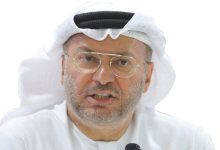
Ali Al-Mousawi, Head of Diagnosis and Assessment at the Ministry of Family’s Department of Care and Rehabilitation for People of Determination, highlighted this point, stating that empowering families and educators with effective intervention tools and early identification skills is not merely a service, but a national responsibility. He stressed that this collaborative effort between family, community, and educational institutions is the key to a brighter future for children.
Practical Workshops: A Hands-On Approach
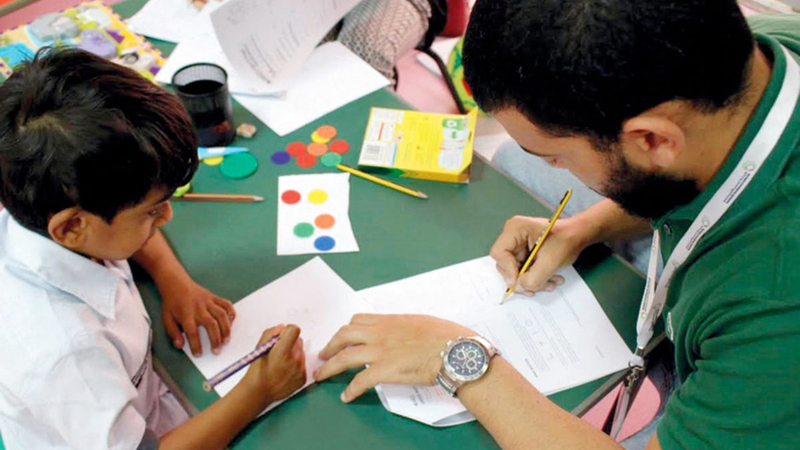
The Ministry’s commitment to practical support is exemplified by the comprehensive awareness workshop held in Ajman. This workshop focused on key developmental areas, including cognitive skills, gross motor skills, fine motor skills, social-emotional development, self-reliance, and communication.
The workshop was structured around six main educational stations, each dedicated to a specific developmental domain. Parents were given the opportunity to participate in hands-on activities, learning how to implement these activities at home to support their child’s growth and development. This practical approach ensures that the knowledge gained is translated into tangible benefits for the child.
Looking Ahead: Building a Brighter Future
The Ministry of Family’s initiatives represent a significant investment in the future of the UAE. By prioritizing early childhood education and intervention, they are laying the foundation for a generation of confident, healthy, and successful individuals. The ongoing efforts to expand community partnerships, raise awareness, and empower families will continue to drive positive change, ensuring that all children have the opportunity to reach their full potential. The Ministry’s dedication to a holistic and collaborative approach promises a more inclusive and supportive environment for children and families across the nation.