
تنظيم اجتماعات مجالس المستقبل العالمية للسنوات الـ 5 المقبلة في دبي

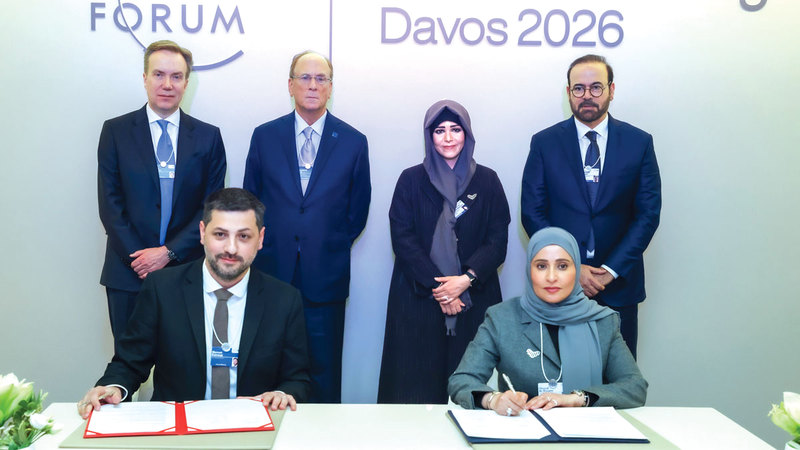
The United Arab Emirates continues to solidify its position as a global hub for future-shaping initiatives, recently announcing a strengthened partnership with the World Economic Forum (WEF). This collaboration, formalized through a memorandum of understanding, will see Dubai host the annual meetings of the Global Future Councils for the next five years. This move underscores the UAE’s commitment to proactive international cooperation in addressing pressing economic and social challenges and fostering innovative, resilient development models. The announcement, made at the conclusion of the WEF’s annual meeting, signals a new era of knowledge-sharing and collaborative problem-solving.
UAE and WEF: A Strategic Partnership for the Future
The partnership between the UAE government and the World Economic Forum is not new. It’s a relationship built on over 16 years of successful collaboration, resulting in 900 global councils dedicated to exploring critical issues impacting humanity. These councils aren’t merely academic exercises; their outputs directly influence the agenda of the annual WEF meeting in Davos, providing a vital platform for governments and decision-makers worldwide. The signing ceremony was attended by prominent figures including Sheikha Latifa bint Mohammed bin Rashid Al Maktoum, Chairwoman of the Dubai Culture and Arts Authority, and key leaders from both the UAE and the WEF, demonstrating the high level of importance attached to this initiative.
Dubai to Host the Global Future Councils: A Strategic Choice
The decision to host the Global Future Councils in Dubai is particularly significant. Dubai has rapidly emerged as a leading global city, renowned for its innovation, forward-thinking policies, and ability to attract talent and investment. This makes it an ideal location for fostering the kind of dynamic discussions and collaborative spirit that the councils require. The city’s infrastructure, logistical capabilities, and commitment to sustainability further enhance its suitability as a long-term host.
The Role of the Councils in Shaping Global Agendas
These councils bring together experts from diverse fields – technology, economics, social sciences, and more – to analyze emerging trends, identify potential risks, and develop innovative solutions. Their work covers a broad spectrum of topics, all centered around building a more sustainable and equitable future. The insights generated are invaluable for policymakers seeking to navigate a rapidly changing world. The focus on proactive solutions, rather than reactive responses, is a hallmark of the councils’ approach.
UAE’s Vision for Global Collaboration and Sustainable Development
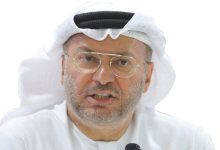
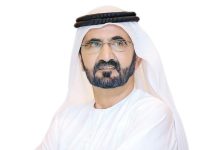
Mohamed bin Abdullah Al Gargawi, Minister of Cabinet Affairs and a member of the WEF’s Board of Trustees, emphasized that this partnership embodies the UAE’s vision, under the leadership of President Sheikh Mohamed bin Zayed Al Nahyan and the direction of Sheikh Mohammed bin Rashid Al Maktoum, Vice President and Prime Minister of Dubai. This vision centers on building effective global partnerships based on action and positive impact, and promoting comprehensive and sustainable development.

The UAE views international cooperation as essential for shaping the future, and actively participates in global agenda-setting through impactful projects and joint initiatives. This commitment extends beyond simply identifying challenges; it involves actively developing and implementing solutions. The country’s focus on future technologies like artificial intelligence and its investment in sustainable infrastructure are prime examples of this proactive approach.
Leveraging Innovation and Technology for a Better Future
The collaboration between the UAE and the WEF isn’t limited to discussions and analysis. It also focuses on leveraging innovation and technology – particularly the tools of the Fourth Industrial Revolution – to address critical global issues. This includes supporting national strategies within the UAE and contributing to the WEF’s broader objectives. The partnership aims to accelerate the development and deployment of solutions in vital areas such as healthcare, education, and environmental sustainability.
Furthermore, the UAE recognizes the importance of digital transformation in driving economic growth and improving the quality of life for its citizens. This is reflected in its ambitious national agenda, which prioritizes the development of a knowledge-based economy.
Empowering Governments and Building Resilience
The Global Future Councils serve as a model for collaboration and collective action, bringing together diverse perspectives and expertise. They empower governments to transform challenges into opportunities for growth and development. By hosting these meetings, Dubai aims to solidify its position as a global center for designing future solutions that benefit humanity and enhance the quality of life for communities worldwide. The insights generated will be crucial for guiding global dialogue on future policies and development priorities, ultimately strengthening the preparedness of governments and societies for the transformations ahead.
In conclusion, the renewed partnership between the UAE and the World Economic Forum, with Dubai as the host city for the Global Future Councils, represents a significant step towards a more collaborative and proactive approach to global challenges. This initiative underscores the UAE’s commitment to innovation, sustainability, and international cooperation, positioning it as a key player in shaping a brighter future for all. The focus on actionable insights and the integration of future technologies will undoubtedly contribute to building more resilient and equitable societies. This collaboration is a testament to the power of partnership in navigating the complexities of the 21st century and beyond.