
بعد تهديدات ترمب بضرب إيران.. واشنطن تسحب قوات من قواعد بالشرق الأوسط

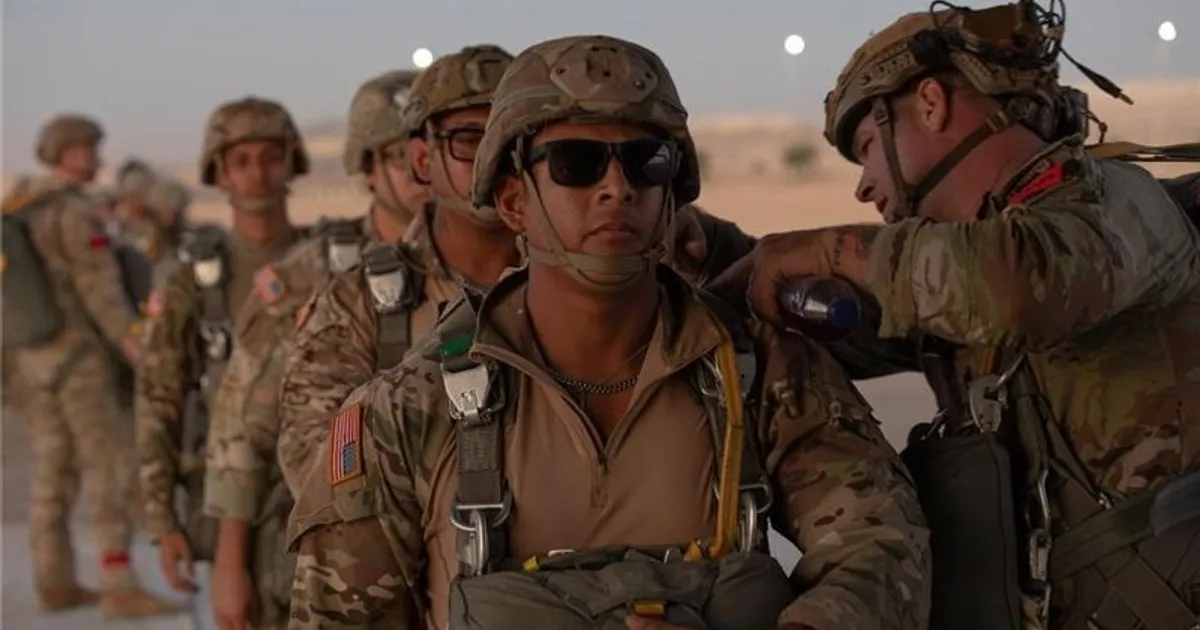
The escalating tensions between the United States and Iran, fueled by ongoing protests in Iran and former President Trump’s threats of military action, have prompted a precautionary withdrawal of US forces from key bases in the Middle East. This move, reported by Reuters on Wednesday, signals a heightened state of alert and a potential shift in the US military posture in the region. The situation remains volatile, with Iran warning of retaliatory strikes against US assets should an attack occur. Understanding the nuances of this US troop withdrawal is crucial for assessing the current geopolitical landscape.
The Trigger: Protests in Iran and Trump’s Warnings
The recent surge in tensions stems from widespread protests erupting across Iran, sparked by the death of Mahsa Amini. These demonstrations, challenging the authority of the Iranian government, have been met with a harsh crackdown, resulting in a growing number of casualties. Former President Trump has publicly voiced support for the Iranian protesters, urging them to continue their demonstrations and even hinting at potential assistance.
His statements, including a promise that “help is on the way,” coupled with his cancellation of meetings with Iranian officials until the “killing” of protesters stops, have been interpreted as a direct threat to the Iranian regime. This rhetoric has raised fears of a potential military confrontation, prompting the US to take preventative measures.
Details of the US Troop Withdrawal
Reuters reported that the US has begun withdrawing forces from major bases in the Middle East as a precautionary step. Specifically, guidance was issued for some personnel to leave Al Udeid Air Base in Qatar by Wednesday evening. Al Udeid is the largest US military base in the Middle East, housing approximately 10,000 troops.
This isn’t the first time the US has repositioned forces in anticipation of conflict. Similar movements occurred before the US strikes against Iran in June of last year. Qatar’s International Media Office acknowledged the movements, stating they were “in light of the tensions in the region.” They further emphasized Qatar’s commitment to the safety and security of its citizens and residents, including protecting vital infrastructure. The military repositioning is a clear indication of the seriousness with which the US views the current situation.



Iran’s Response and Regional Concerns
Iran has responded strongly to Trump’s threats, warning that it will retaliate against any US attack by targeting American bases in the Middle East. A senior Iranian official confirmed to Reuters that communication channels with Washington have been suspended, and Tehran has appealed to regional countries to intervene and de-escalate the situation.
The suspension of direct talks between Iranian Foreign Minister Abbas Araghchi and US Special Envoy for Iran, Steve Witkoff, is a significant setback for diplomatic efforts. The Iranian official stated that Trump’s threats undermine these efforts and have led to the cancellation of potential meetings aimed at resolving the long-standing dispute over Iran’s nuclear program. Turkey is actively involved in mediation, with Foreign Minister Hakan Fidan speaking with his Iranian counterpart, stressing the need for dialogue to ease regional tensions. Ankara is also maintaining contact with US officials. This highlights the growing regional instability and the urgent need for diplomatic solutions.
Potential US Military Options
According to reports from the Wall Street Journal and the New York Times, the Pentagon has presented Trump with a range of military options. These options extend beyond previous plans and include targeting Iran’s nuclear program. The potential targets also include Iran’s ballistic missile sites.
While a large-scale strike is possible, officials suggest that more limited options are considered more likely. These include cyberattacks or strikes against Iran’s internal security apparatus, which Washington accuses of using lethal force against protesters. However, any military action carries the risk of a strong retaliatory response from Iran. The focus of any potential strike, officials say, would be to send a message to Supreme Leader Ali Khamenei regarding the targeting of protesters, rather than an attempt to overthrow the regime.
The Path Forward: De-escalation and Diplomacy
The current situation is fraught with danger, and the risk of miscalculation is high. The US troop withdrawal, while precautionary, underscores the potential for escalation. The suspension of direct talks between the US and Iran further complicates matters.
The international community, including Turkey and other regional actors, must prioritize de-escalation and encourage a return to diplomacy. A comprehensive solution requires addressing the underlying grievances fueling the protests in Iran, while also ensuring the security and stability of the region. Continued dialogue, coupled with restraint from all parties, is the only viable path to prevent a potentially devastating conflict. The need for a measured and diplomatic approach has never been more critical.
It’s important to stay informed about these developments as they unfold. Further updates and analysis will be crucial in understanding the evolving dynamics of this complex situation.