
السعودية تدعو الإمارات للاستجابة لطلب اليمن مغادرة قواتها خلال 24 ساعة

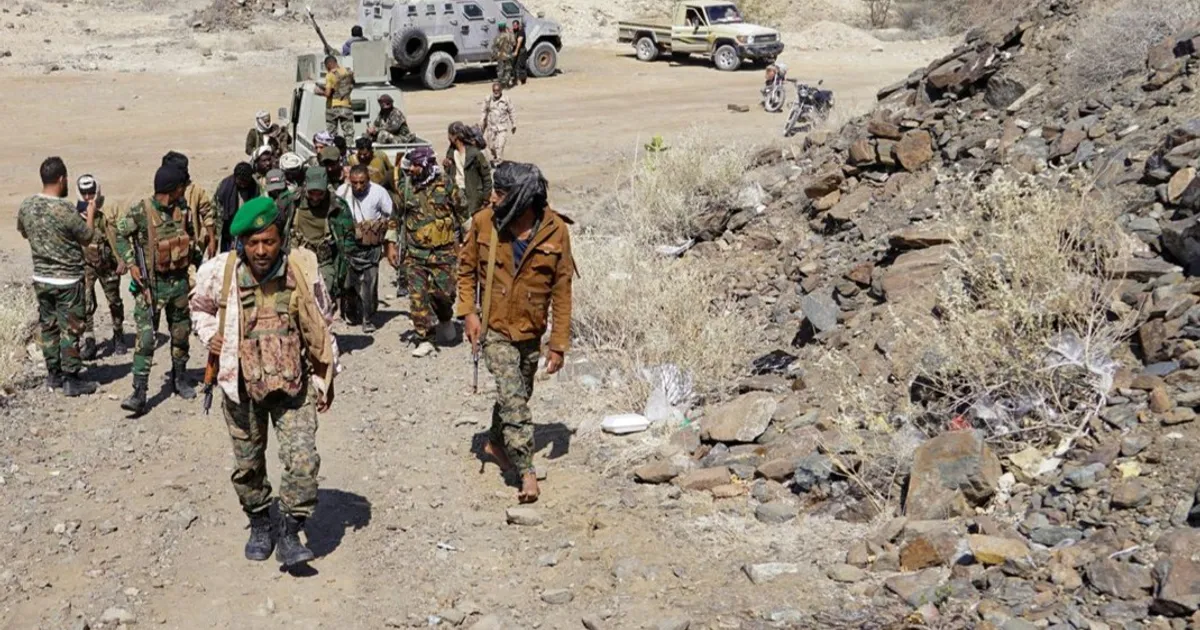
The situation in Yemen continues to evolve rapidly, marked by escalating tensions and a direct call for action from the Yemeni government. Recent developments have seen the Republic of Yemen requesting the United Arab Emirates to withdraw its military forces within 24 hours, alongside a cessation of any military or financial support to factions within the country. This request stems from concerns over actions perceived as detrimental to Yemen’s national security and the broader goals of the Saudi-led coalition. Understanding the nuances of this unfolding crisis and the implications for regional stability is crucial. This article will delve into the details of the Saudi demand, the Yemeni government’s response, and the potential ramifications for the future of Yemen’s conflict.
Saudi Arabia Demands UAE Withdrawal from Yemen
The Kingdom of Saudi Arabia formally requested the UAE to comply with the Yemeni government’s demand for the withdrawal of its forces within a 24-hour timeframe. This request, delivered through a statement by the Saudi Ministry of Foreign Affairs on Tuesday, expressed “regret” over what it described as pressure exerted by the UAE on the Southern Transitional Council (STC) to mobilize its forces along the southern borders of Saudi Arabia, specifically in the governorates of Hadramout and Mahra.
Saudi Arabia views these movements as a direct threat to its national security, as well as to the security and stability of Yemen and the wider region. The statement emphasized that the UAE’s actions are a significant departure from the foundational principles of the coalition established to support legitimacy in Yemen and undermine efforts to achieve lasting peace and stability. This strong wording signals a serious escalation in the previously collaborative relationship between the two Gulf states.
The Trigger: Arms Shipments and Coalition Intervention
The immediate catalyst for the Saudi demand appears to be the interception of two ships laden with weapons and heavy vehicles originating from the port of Fujairah in the UAE and destined for the port of Mukalla in Hadramout. The Saudi-led coalition, responsible for supporting the legitimate Yemeni government, intercepted these shipments and conducted a limited airstrike on the arms and equipment after they were unloaded.
This intervention highlights the coalition’s commitment to controlling the flow of arms into Yemen and preventing actions that could destabilize the country. The coalition affirmed that the airstrike resulted in no human casualties or damage to the port’s infrastructure. However, the incident itself served as a stark demonstration of the coalition’s resolve to address perceived threats to regional security.



Yemeni Government Takes Decisive Action
Following the events in Mukalla, the Presidential Leadership Council in Yemen, headed by Rashad al-Alimi, took a series of decisive steps. Al-Alimi declared a state of emergency across all Yemeni territories, effective Tuesday for an initial period of 90 days, renewable if necessary. He also imposed a comprehensive air, sea, and land blockade on all ports and border crossings for 72 hours, with exceptions granted only with official authorization from the coalition.
Most significantly, Al-Alimi issued a decree formally cancelling the mutual defense agreement with the UAE and directed all Emirati forces and personnel to leave Yemeni territory within 24 hours. He simultaneously called on the forces of the Southern Transitional Council to expedite their withdrawal from Hadramout and Mahra, coordinating with the coalition forces and transitioning control of all locations to the Shield of the Homeland forces. This demonstrates a clear assertion of sovereignty by the Yemeni government.
“Red Line” and Saudi Commitment to Yemen’s Security
Saudi Arabia has unequivocally stated that any infringement or threat to its national security constitutes a “red line” and that it will not hesitate to take all necessary measures to confront and neutralize such threats. This firm stance underscores the Kingdom’s determination to protect its interests and maintain regional stability.
Despite the current tensions, Saudi Arabia reiterated its unwavering commitment to the security, stability, and sovereignty of Yemen. It reaffirmed its full support for the Presidential Leadership Council and its government, and acknowledged the legitimate historical and social dimensions of the Southern issue. However, it emphasized that the only viable path to resolving this issue lies through dialogue within a comprehensive political solution for Yemen, involving all Yemeni factions, including the Southern Transitional Council. The political solution remains the key to long-term stability.
The Importance of De-escalation and Regional Cooperation
Saudi Arabia expressed hope that the UAE would heed the Yemeni government’s request for withdrawal and cease all military and financial support to any party within Yemen. It stressed the importance of wisdom, brotherly principles, good neighborliness, and the strong relationships that bind the Gulf Cooperation Council (GCC) countries, as well as the interests of Yemen.
The Kingdom urged the UAE to take the necessary steps to preserve bilateral relations and foster joint efforts to promote prosperity, development, and stability throughout the region. This call for de-escalation highlights the potential for further complications if the situation is not addressed diplomatically. Maintaining strong GCC ties is paramount for regional security, and a collaborative approach to Yemen’s stability is essential.
Presidential Council Decisions and Ongoing Developments
The decisions issued by President Al-Alimi of the Presidential Leadership Council in Yemen are far-reaching. The state of emergency and the port blockade are intended to consolidate control and prevent further escalation. The directive to the Shield of the Homeland forces to take over positions in Hadramout and Mahra is a clear move to assert the authority of the internationally recognized government.
The situation remains fluid, and the coming days will be critical in determining whether the UAE will comply with the Yemeni government’s demands and the Saudi request. The international community is closely monitoring the developments, urging all parties to exercise restraint and prioritize a peaceful resolution to the conflict. The future of Yemen hinges on a commitment to dialogue, de-escalation, and a unified approach to achieving lasting peace and stability.