

The United Arab Emirates is undergoing a significant transformation in its education sector, driven by the need to adapt to a rapidly evolving global economy. This shift is embodied in the recently enacted Federal Decree-Law concerning Higher Education and Scientific Research, a topic at the heart of a key discussion led by Dr. Abdurrahman Al-Awar, Minister of Human Resources and Emiratisation, and Minister of Higher Education and Scientific Research. The law is designed to modernize the educational landscape, increase its flexibility, and ensure it effectively addresses the demands of the future job market.
القانون الجديد للتعليم العالي في الإمارات: رؤية مستقبلية لسوق العمل (The New UAE Higher Education Law: A Future Vision for the Job Market)
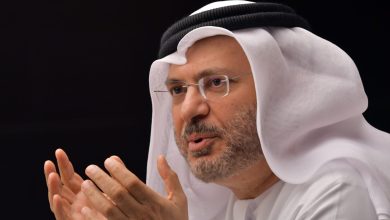
Dr. Al-Awar emphasized that the current pace of change necessitates a faster rate of development, demanding innovative thinking and a move beyond traditional approaches. Universities and technical and vocational training institutions are now tasked with a pivotal role: anticipating future trends and aligning their outputs with the real-world needs of the التعليم العالي (higher education) sector. This underscores the government’s commitment to creating a knowledge-based economy.
The framework for this transformation was launched with the first interactive session organized by the Ministry of Higher Education and Scientific Research under the initiative “Majlis Al-Mutamallin” or “Stakeholder Councils,” titled “Dialogues on the Future of Higher Education.” This session specifically addressed the implications of the new decree-law on the entire higher education system within the UAE.
مرونة تشريعية وتكامل مع القطاعات الاقتصادية (Legislative Flexibility and Integration with Economic Sectors)
The new قانون التعليم العالي (Higher Education Law) is being positioned as a dynamic instrument for updating the education system. Dr. Al-Awar highlighted that the law offers universities greater legislative flexibility in developing their academic programs to keep pace with global economic shifts, particularly in high-growth areas such as artificial intelligence, digital transformation, and مهارات المستقبل (future skills).
Crucially, the law strengthens the coordination between the Ministry of Higher Education and Scientific Research and local regulatory bodies. This harmonization of policies will ensure a more cohesive and effective education system across the emirates.


He added that the legislation establishes a comprehensive and transparent data system that connects academic programs to vital fields like healthcare, artificial intelligence, engineering, and business. This system will also provide insights into graduate employment opportunities by region, allowing for more informed decision-making for students and institutions alike.
تعزيز الشراكات وتطوير الكفاءات (Strengthening Partnerships and Developing Competencies)
A key shift advocated by the new law is a move away from purely theoretical education towards practical partnerships with economic sectors. This will enable students to gain hands-on experience in real-world work environments, enhancing their professional preparedness and ultimately raising the quality of مخرجات التعليم العالي (higher education outputs). This focus on practical application is vital for a dynamic economy.
Dr. Al-Awar also stressed the importance of higher education institutions located within free zones, recognizing their crucial contribution to enriching the UAE’s educational ecosystem. These zones attract talent and world-class educational institutions, solidifying the UAE’s position as a hub for developing high-caliber professionals.
The licensing process will remain under the jurisdiction of local authorities, however, the integrated data system will streamline procedures and foster more efficient licensing models. Initial dialogues surrounding the law, beginning in Dubai and expanding through multiple channels, have shown a strong consensus and positive reception from all stakeholders.
دعم الاستثمار وتلبية الطلب على المهارات المتقدمة (Supporting Investment and Meeting Demand for Advanced Skills)
The government is consistently working to empower investors and simplify their journey by granting them the adaptability to choose the most suitable investment locations across varied regions. It’s concurrently creating a supportive regulatory environment for success in educational investments, positively impacting higher education, the job market, and national development.
Looking ahead, Dr. Al-Awar pointed to growth indicators for 2025, noting that some national benchmarks had already reached 12.5%. Furthermore, unprecedented global growth, ranging between 11% and 24%, coupled with a 9% increase in skilled labor, underscores the rising demand for advanced skills. This clearly demonstrates the urgency for the higher education system to keep pace.
منظومة بيانات متكاملة وتنافسية الجامعات (Integrated Data System & University Competitiveness)
Ibrahim Fikri, Acting Assistant Undersecretary for the Sector of Higher Education Regulation and Governance, emphasized that the new higher education law aims to eliminate ambiguity within the system, describing the previous situation as having “grey areas.” He stated that the new law will promote university competitiveness through a unified and more transparent legislative framework that dynamically responds to the rapid changes in higher education.
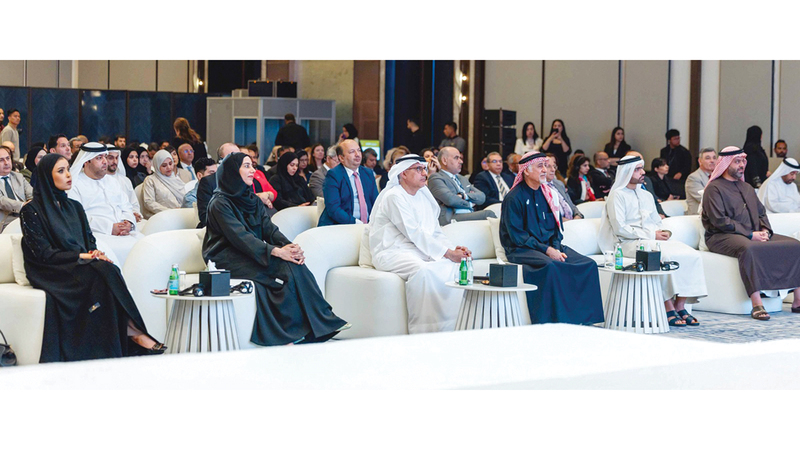
The inaugural dialogue session, attended by 200 representatives from higher education institutions and technical and vocational training centers, served to highlight the key features of the new law. This law acts as a developmental legislative umbrella, regulating the higher education sector and unifying its references nationwide.
In conclusion, the new Higher Education Law in the UAE represents a strategic investment in the nation’s future. By fostering flexibility, integration, and a data-driven approach, the law aims to create a higher education system that is not only world-class but also perfectly aligned with the evolving needs of the 21st-century economy. This proactive approach will undoubtedly position the UAE as a leader in innovation and talent development, encouraging further discussion and collaboration within the sector. For more information on the new decree-law and its implications, please visit the Ministry of Higher Education and Scientific Research website.