
الحكومة السورية تنفي تمديد مهلة “قسد” وسط تقارير عن حشود على جانبي خط المواجهة

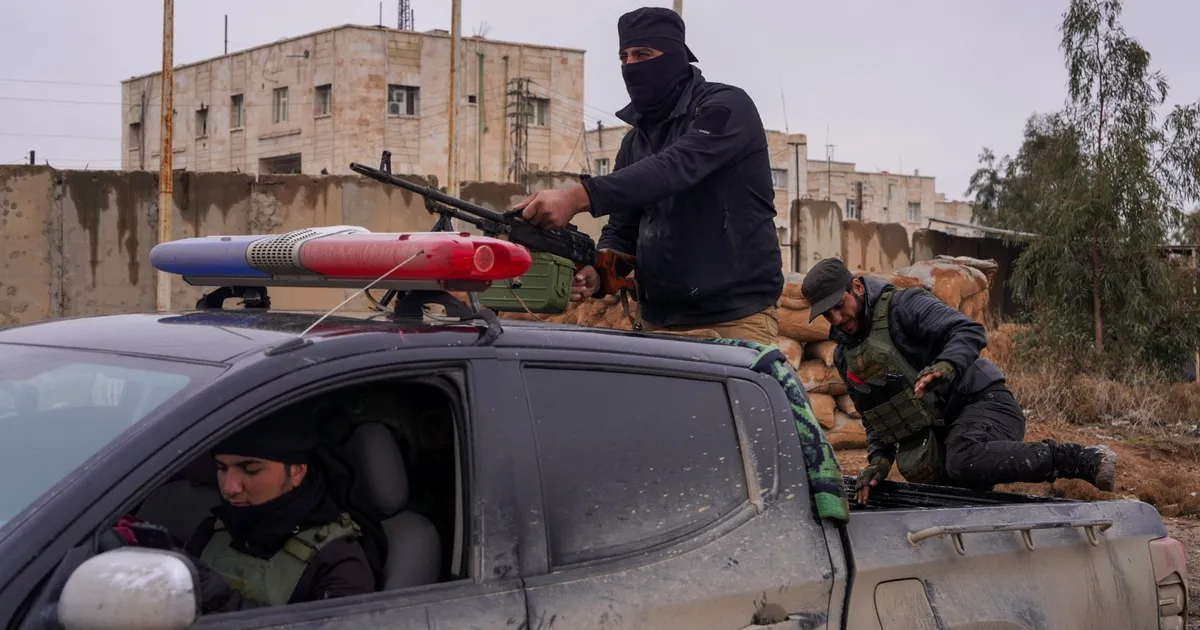
The situation in northern Syria remains highly volatile as the deadline for a ceasefire agreement approaches. Forces from the Syrian Army and the Syrian Democratic Forces (SDF), known as قسد in Arabic, have been mobilizing along the front lines, raising fears of renewed conflict. The current truce, intended to facilitate discussions on integrating Kurdish institutions into the Syrian government, is set to expire Saturday evening, and reports indicate no extension is planned. This article will delve into the latest developments, the concerns of regional and international actors, and the humanitarian consequences unfolding in the region. The focus will be on the precarious state of the الوضع في شمال سوريا (situation in northern Syria).
تصاعد التوتر مع اقتراب نهاية الهدنة (Escalating Tensions as the Truce Nears its End)
According to Reuters, both the Syrian Army and قسد have reinforced their positions in anticipation of potential clashes. Over the past two weeks, Syrian government forces have regained control of significant territories previously held by the SDF in northern and eastern Syria. The four-day ceasefire was established to allow for negotiations regarding the future of Kurdish administration within the framework of Syrian state institutions, contingent upon the SDF’s withdrawal from key areas. However, a source within the Syrian Foreign Ministry has denied reports of a ceasefire extension, leaving the future uncertain. The الوضع في شمال سوريا is increasingly tense as the hours tick down.
تحركات دولية ومخاوف من تجدد القتال (International Movements and Fears of Renewed Fighting)
The potential for renewed fighting has prompted intervention from international powers. Diplomatic sources cited by Reuters reveal that senior officials from the United States and France have urged Syrian President Ahmad Sharaa to refrain from deploying government troops to remaining SDF-controlled areas. Washington and Paris are concerned that such a move could trigger a resurgence of hostilities between the Syrian government and قسد.
Meanwhile, the US military is undertaking the complex task of transferring hundreds of detained ISIS fighters from Syrian prisons across the border into Iraq. This operation adds another layer of complexity to the already fragile security landscape.
العراق يرفض تحمل أعباء نقل معتقلي “داعش” (Iraq Refuses to Bear the Burden of Transferring ISIS Detainees)
The Iraqi Foreign Ministry has stated that Iraq should not be solely responsible for the security and financial burdens associated with the transfer of ISIS prisoners. In a phone call with the EU’s foreign policy chief, Josep Borrell, Foreign Minister Fouad Hussein emphasized the need for shared responsibility. This highlights the regional reluctance to unilaterally absorb the consequences of the evolving situation in Syria.



الأوضاع الإنسانية المتردية وتأمين مخيم الهول (Deteriorating Humanitarian Situation and Securing al-Hol Camp)
The instability in northeastern Syria is exacerbating an already dire humanitarian crisis. In the city of Kobani (Ain al-Arab), the UN office has expressed concern over the potential for a worsening humanitarian situation, noting that all roads leading to the city are currently closed. Disruptions to essential services like electricity, water, and internet are hindering access to basic necessities for residents.
A key focus of security efforts remains the al-Hol camp, which houses families of ISIS members. Syrian security forces are working to secure the camp, despite harsh weather conditions, including a recent snowstorm. The United Nations reported successful access to al-Hol on Friday, in coordination with Syrian government officials, and the resumption of delivery of essential supplies to the camp’s inhabitants. The الوضع في شمال سوريا is particularly concerning for those within the camp.
الوضع في حلب ومنبج (The Situation in Aleppo and Manbij)
The situation is not uniform across northern Syria. In Kobani, a city in the Aleppo province, four children have reportedly died due to the extreme cold following the snowstorm, according to the Kurdish Red Crescent. A significant displacement wave is occurring, with civilians fleeing rural areas towards Kobani to escape the fighting.
In the Manbij area, also in Aleppo province, the local administration has clarified that the “Tishreen-Jazeera” road remains partially closed despite earlier reports of full reopening. The restriction is due to the presence of landmines along the route, and engineering teams are actively working to clear them. Authorities are urging residents to avoid the road unless specifically authorized.
إعادة تفعيل المجالس المحلية والخدمات الأساسية (Reactivation of Local Councils and Basic Services)
Amidst the security concerns, efforts are underway to restore local governance and essential services. The Minister of Local Administration and Environment announced the beginning of reactivating administrative units and local councils in the governorates of Raqqa, Deir ez-Zor, and al-Hasakah, considering them “the cornerstone of services.” The ministry is deploying teams to these areas, with plans to soon appoint a governor for al-Hasakah and fully restore state institutions.
Furthermore, the Minister emphasized a commitment to decentralization, allowing local communities to make decisions based on their specific needs. Support will be tailored to the economic characteristics of each governorate, whether agricultural, tourist, or service-oriented. The aim is to improve the الوضع في شمال سوريا through rebuilding and empowering local communities.
In conclusion, the الوضع في شمال سوريا remains deeply precarious. The impending expiration of the ceasefire, coupled with the mobilization of forces and the concerns of international actors, paints a grim picture. The humanitarian situation is deteriorating, particularly for vulnerable populations in camps and besieged cities. While efforts to restore governance and services are commendable, lasting stability will require a comprehensive political solution that addresses the underlying causes of the conflict and ensures the safety and well-being of all Syrians. Continued monitoring of the situation and increased humanitarian aid are crucial in the coming days and weeks.