
الناتو يحث دول الحلف على الاستعداد لحرب روسيا خلال 5 سنوات: نحن الهدف التالي

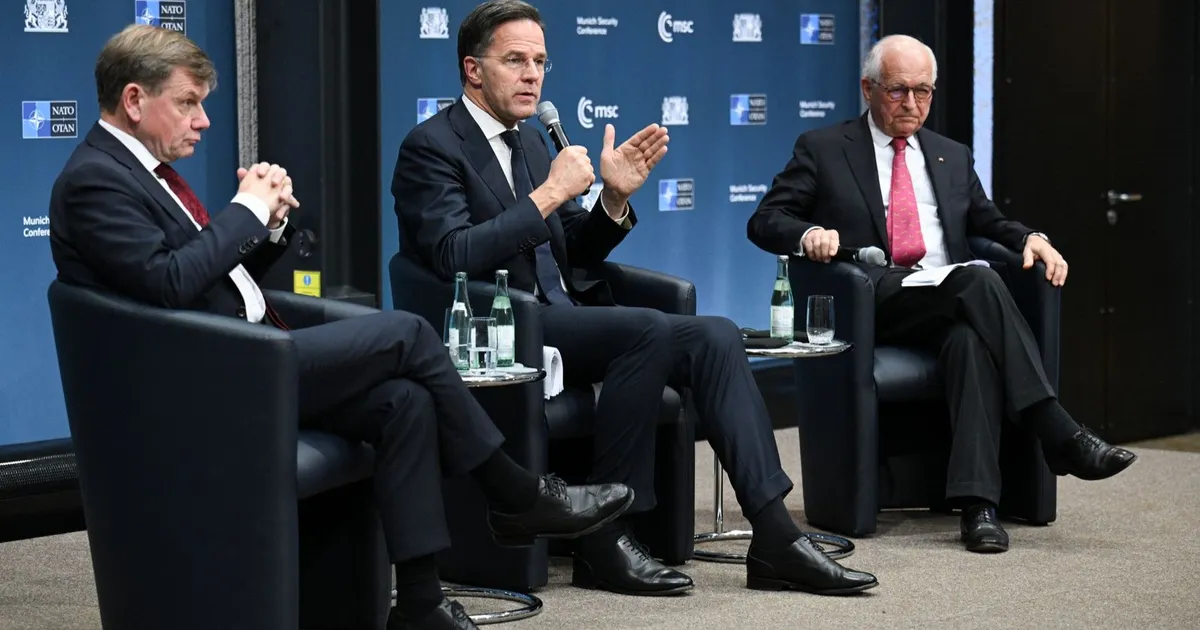
The escalating tensions between Russia and the West have reached a critical point, with warnings of a potential large-scale conflict looming. Recent statements from NATO Secretary-General Mark Rutte and other key figures highlight a growing urgency to bolster European defenses in anticipation of a possible Russian attack within the next five years. This article delves into the warnings issued, the calls for increased military spending, and the shifting dynamics within the transatlantic alliance, focusing on the potential for a Russian threat to Europe.
تحذيرات متصاعدة من خطر الحرب في أوروبا
Mark Rutte’s stark warning delivered at the Munich Security Conference on Thursday sent ripples through the international community. He urged NATO member states to rapidly strengthen their defense capabilities, emphasizing that Russia views them as the “next target” following Ukraine. Rutte expressed concern that many allies are not fully grasping the severity of the situation, and stressed the need for increased defense spending and production to deter a conflict reminiscent of World War II. His message was clear: complacency is not an option.
The Secretary-General’s comments were echoed by European Union High Representative for Foreign Affairs and Security Policy, Josep Borrell, who called for accelerating the “building of European military capabilities.” This dual call to action underscores a shared anxiety about Russia’s increasingly aggressive posture and the potential for wider European conflict. The urgency stems from a perceived shift in Russia’s strategic objectives, moving beyond localized intervention in Ukraine to a broader challenge of the existing European security architecture.
تصريحات روسية تزيد من حدة التوتر
Adding fuel to the fire, Russian Foreign Minister Sergey Lavrov affirmed that any European peacekeeping forces deployed in Ukraine would be considered legitimate targets. He reiterated Russia’s readiness to engage in conflict with Europe should it choose to do so, echoing President Vladimir Putin’s earlier statements. Lavrov accused European nations of attempting to strategically defeat Russia and impose Western conditions, claiming their initial plan to quickly overcome Russia through Ukraine had failed.
This rhetoric, while not entirely new, is particularly alarming given the context of Rutte and Borrell’s warnings. It suggests a willingness to escalate the conflict beyond Ukraine’s borders and directly confront NATO allies. The Russian perspective frames its actions as a defensive response to perceived Western aggression, but the international community largely views them as unprovoked and destabilizing. The situation demands careful diplomatic maneuvering alongside robust defense preparations.
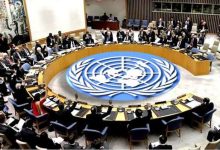



الناتو والولايات المتحدة: تحولات في الالتزام؟
The discussion surrounding the Russian threat to Europe also brings into focus the commitment of the United States to the NATO alliance. Former President Donald Trump has repeatedly criticized NATO, deeming its treatment of the US as “unfair.” He has questioned the security guarantees provided by the alliance, despite acknowledging the progress made in increasing defense spending among member states, aiming for 5% of GDP by 2035.
While Trump reassured European partners at the recent NATO summit in The Hague by reaffirming the US commitment to Article Five – the collective defense clause – subsequent statements have cast doubt on the long-term stability of that commitment. His comments regarding arms sales to NATO and potential troop reductions in Europe, such as the planned withdrawal of 3,000 soldiers from Romania, suggest a shifting US focus towards security challenges in Asia and other regions. This potential shift in US priorities is a significant concern for European allies, prompting them to explore alternative financing options for weapons and bolster their own independent defense capabilities. The concept of “burden sharing” – where European nations contribute more to their own defense – is gaining traction.
بناء القدرات الدفاعية الأوروبية: ضرورة ملحة
The call for increased European defense spending isn’t simply a response to Trump’s criticisms. It’s a recognition of the need for greater strategic autonomy and the ability to respond effectively to threats without relying solely on the United States. Josep Borrell’s emphasis on integrating defense strengthening with continued support for Ukraine highlights this point. Supporting Ukraine is crucial, but it cannot come at the expense of preparing for a potential direct confrontation with Russia.
Borrell has been actively engaging with defense ministers from France, Germany, Italy, Poland, and the United Kingdom to advance both of these priorities. This coordinated effort signals a growing determination within the EU to take a more proactive role in its own security. The focus is on enhancing military readiness, investing in new technologies, and streamlining defense procurement processes. Ultimately, a stronger and more independent European defense posture is seen as the best way to deter Russian aggression and safeguard the continent’s security.
مستقبل العلاقات بين روسيا وأوروبا
The current trajectory of relations between Russia and Europe is deeply concerning. Putin’s recent statement that Russia is prepared to fight Europe if provoked further underscores the gravity of the situation. While he expressed a desire to avoid war, the implicit threat remains. The key to de-escalation lies in dialogue and a willingness to address the underlying security concerns of both sides. However, given the current level of distrust and the ongoing conflict in Ukraine, the path to a peaceful resolution appears increasingly challenging.
The next five years will be critical in determining whether Europe can successfully deter a Russian threat and maintain its security. Increased defense spending, enhanced military capabilities, and a united transatlantic alliance are essential components of that effort. Failure to act decisively could have catastrophic consequences, potentially leading to a large-scale conflict that would destabilize the entire continent and beyond. The time for complacency is over; the time for action is now.