
رئيس الوزراء اللبناني: المحادثات الاقتصادية ستكون جزءاً من أي عملية تطبيع مع إسرائيل

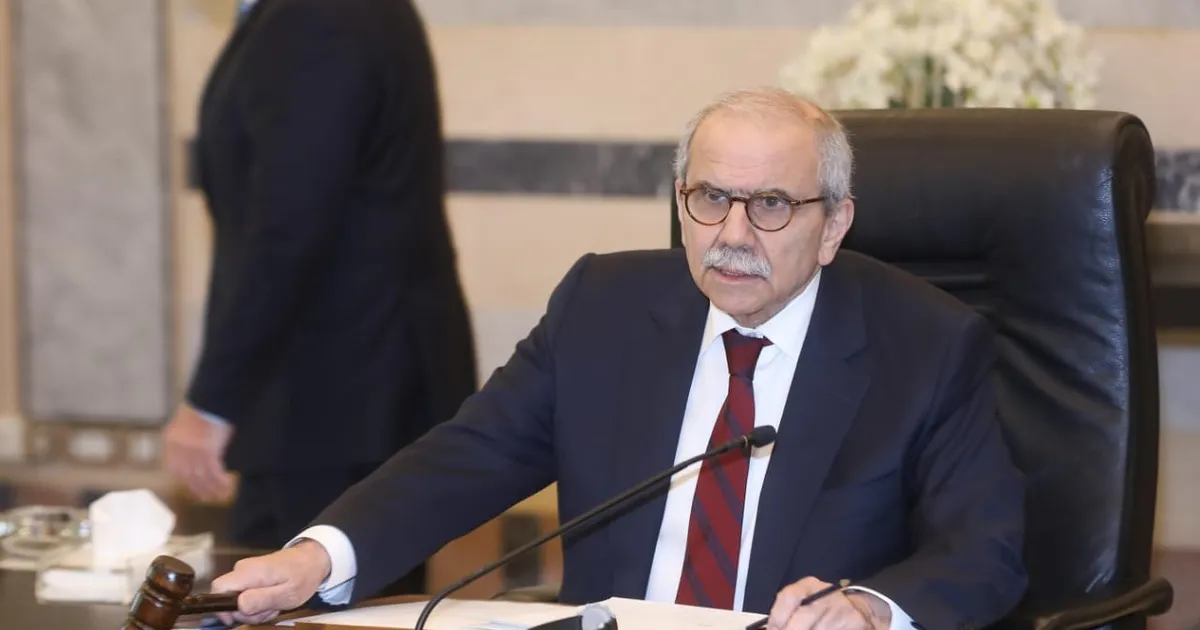
The recent meetings between Lebanon and Israel, facilitated by the United States, represent a potential turning point in the strained relationship between the two nations. Lebanese Prime Minister Nawaf Salam stated on Wednesday that economic discussions would be integral to any normalization process with Israel, emphasizing the prerequisite of a “peace agreement.” This development, alongside the inclusion of civilian representatives in ongoing talks, offers a glimmer of hope for de-escalation and possible future collaboration.
تطورات مفاوضات لبنان وإسرائيل: نحو آفاق اقتصادية؟ (Developments in Lebanon-Israel Negotiations: Towards Economic Prospects?)
The core message from Prime Minister Salam is clear: Lebanon-Israel normalization is contingent upon a broader peace deal. He reiterated Lebanon’s commitment to the 2002 Arab Peace Initiative, stating that full normalization would follow its implementation. However, he acknowledged the current distance from achieving these goals, while welcoming Egypt’s offer to mediate and reduce tensions. Responding to questions about recognizing Israel before a two-state solution is reached, Salam firmly stated Lebanon would adhere to the Arab Peace Initiative, highlighting the importance of a regional framework for any progress.
Salam also pointed to recent Israeli actions as concerning. He characterized the increase in Israeli airstrikes in recent weeks as a clear escalation and expressed hope that the participation of civilians in the “ceasefire committee” meetings would serve to “defuse tensions.” This emphasizes Lebanon’s desire for a more stable security situation as a foundation for any potential dialogue.
لجنة مراقبة الهدنة: توسيع نطاق الحوار (Ceasefire Monitoring Committee: Expanding the Scope of Dialogue)
During a meeting held on Wednesday, senior officials from both Israel and Lebanon announced their intention to appoint new representatives to the military committee tasked with monitoring the ceasefire between them. This move marks the first expansion of the committee’s discussions beyond the strictly military realm in a significant period. The U.S.-brokered Lebanese-Israeli-American talks in Naqoura represent a step beyond monitoring the 2024 ceasefire, aligning with the wider agenda of achieving peace in the Middle East, a key objective of U.S. policy.
The context of these talks is particularly sensitive, given persistent fears of renewed escalation between Israel and the Lebanese group Hezbollah. Therefore, the broadening of the dialogue is seen as vital for preventing misunderstandings and fostering a more predictable environment.
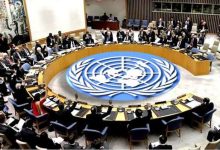



مشاركة مدنية: إشارة إيجابية نحو الاستقرار (Civilian Participation: A Positive Signal Towards Stability)
A key feature of the recent meeting was the agreement to include civilian representatives in the talks. President Michel Aoun had previously expressed Lebanon’s openness to negotiations for a more robust ceasefire agreement and dispatched a civilian envoy for the first time. Israel reciprocated by announcing it would also send a civilian representative, hoping to establish a relationship and explore potential economic cooperation with Lebanon.
The 2024 ceasefire, brokered by the United States, brought an end to over a year of fighting between Israel and Hezbollah. However, since then, the two sides have consistently accused each other of violating the agreement. The expanded committee, which originally consisted of military officials from Israel, Lebanon, the United States, and France, alongside UN peacekeepers, offers a new channel for addressing these concerns.
President Aoun appointed former U.S. ambassador Simon Karam as the head of the Lebanese delegation. This decision came after Washington informed Beirut that Israel had agreed to include a civilian member in its delegation. Both sides welcomed this addition, describing it as a “significant step” towards ensuring a “continuous civil and military dialogue.”
آفاق التعاون الاقتصادي: الخطوة الأولى (Prospects for Economic Cooperation: The First Step)
The Israeli Prime Minister’s office explicitly termed the meeting a “historic development,” reflecting a proactive approach to transforming the regional landscape. Benjamin Netanyahu assigned Gil Reich, acting director of the National Security Council, a civilian body, to lead the Israeli side, signaling a readiness to explore non-military aspects of the relationship.
In a statement, Netanyahu’s office described the move as “an initial attempt to lay the foundation for a relationship and economic collaboration between Israel and Lebanon.” While a Lebanese security official characterized the meeting as “positive,” they refrained from confirming whether the agenda had expanded to encompass political or economic issues. This cautious approach reflects the ongoing complexities and sensitivities surrounding the relationship.
The inclusion of economic discussions, even at a preliminary stage, is a notable development. The potential benefits of border cooperation and resource sharing (particularly regarding offshore gas fields, a frequently debated point) could offer incentives for maintaining a more stable and constructive dialogue between Lebanon and Israel.
In conclusion, the recent meetings between Lebanon and Israel, facilitated by the U.S., present a fragile yet promising opportunity to move beyond a strict ceasefire and explore avenues for de-escalation and potential economic cooperation. While substantial obstacles remain, particularly linked to the broader Arab-Israeli conflict, the inclusion of civilian representatives and the stated willingness to discuss economic matters signify a shift in approach—one that cautiously suggests a path, however distant, towards a more peaceful future. Continued dialogue, bolstered by regional and international support, will be crucial in determining whether this nascent progress can be sustained and translated into lasting stability.