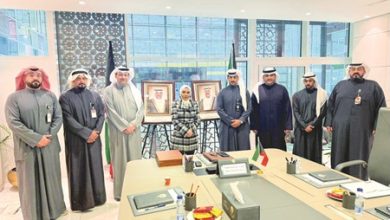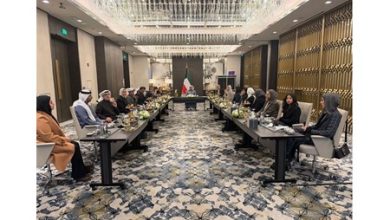


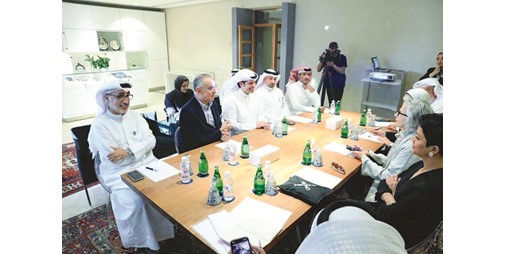
With a focus on enriching Kuwait’s cultural landscape and bolstering its tourism sector, the Minister of Information, Culture, and Minister of State for Youth Affairs, Abdulrahman Al-Mutairi, recently reviewed the implementation status of key infrastructure projects overseen by the National Council for Culture, Arts and Letters (NCCAL). This included a detailed examination of the progress on the highly anticipated American Cultural Center, highlighting its significance within the broader national development plan. The Minister emphasized the importance of accelerating project timelines and prioritizing initiatives that showcase Kuwait’s rich heritage.
المشاريع الثقافية في الكويت: خطة لتسريع وتيرة الإنجاز (Cultural Projects in Kuwait: A Plan to Accelerate Completion)
The examination of NCCAL projects signals a renewed governmental commitment to investing in Kuwait’s soft power. Minister Al-Mutairi’s meeting with NCCAL engineers, alongside the Director General of the Dar Al-Athar Al-Islamiyyah, Sheikha Hessa Al-Sabah, and the Council’s Secretary-General, Dr. Mohammad Al-Jassar, along with members of the specialized committee, underscores the collaborative approach being adopted to ensure seamless execution. This collaborative effort is critical for the effective development and preservation of Kuwaiti cultural assets.
أهمية المشاريع في دعم السياحة الوطنية (The Importance of Projects in Supporting National Tourism)
Al-Mutairi stressed that these projects are not simply aesthetic additions to the urban landscape, but essential engines for growth within the national tourism sector. A vibrant cultural scene, supported by modern and accessible infrastructure, attracts both domestic and international visitors, contributing significantly to economic diversification. The Minister recognized the potential of cultural tourism to create jobs, stimulate local businesses, and enhance Kuwait’s global image.
He noted the need to move beyond initial planning and into concrete action, actively seeking ways to expedite processes and overcome any obstacles hindering progress. Specifically, the Minister highlighted the necessity of detailed timelines and clear prioritization.
التركيز على المركز الأمريكي الثقافي (Focus on the American Cultural Center)
The American Cultural Center project received particular attention during the meeting. The Minister emphasized its historical and civilizational value to Kuwait, recognizing it as a symbol of longstanding cultural exchange between the two nations. He stressed that its swift completion is a national priority, demanding a proactive approach to the remaining procedures.
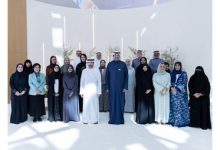
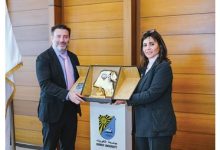


This center is poised to become a focal point for artistic collaborations, educational programs, and the promotion of mutual understanding. Its potential benefits extend beyond the realm of cultural enrichment, serving as a catalyst for dialogue and cooperation. The Minister’s focus on this project showcases its significant contribution to Kuwait’s cultural identity, and its role in fostering international connections.
فريق عمل مشترك لتضافر الجهود (Joint Working Team to Synergize Efforts)
To ensure effective oversight and accelerate project implementation, Minister Al-Mutairi directed the formation of a joint task force. This team will consist of engineers from the Ministry of Information and Culture, working alongside their counterparts from the NCCAL.
This collaboration aims to:
- Streamline decision-making: By bringing together experts from both organizations.
- Improve coordination: Ensuring consistency in approach and minimizing delays.
- Monitor progress: Regular reporting will provide a clear picture of project status.
- Explore investment opportunities: Identifying ways to leverage the assets created by these projects.
The mandate of this joint team extends to evaluating potential uses for spaces within the newly developed facilities, promoting sustainable financial models for their operation. This holistic approach highlights a commitment to maximizing the long-term impact of these cultural investments. The role of تطوير البنية التحتية الثقافية (developing cultural infrastructure) is paramount in this strategy.
خطط الاستثمار في المشاريع الثقافية (Investment Plans in Cultural Projects)
Beyond mere construction, the Minister called for innovative thinking regarding the investment potential within these projects. He encouraged the team to explore revenue-generating opportunities, such as collaborative partnerships with private sector entities, hosting international events, and establishing cultural tourism packages. This demonstrates a shift towards viewing cultural institutions not just as centers of learning and preservation, but also as viable economic assets. الاستدامة الثقافية (cultural sustainability) is another key concept guiding these initiatives.
Furthermore, the Minister signaled a willingness to support initiatives that would allow these cultural sites to contribute to the surrounding communities, fostering local engagement and creating a sense of shared ownership. This bottoms up approach to cultural development ensures maximum impact and long-term relevance.
التحديات والحلول المحتملة (Challenges and Potential Solutions)
Despite the enthusiasm, implementing large-scale cultural projects is not without its challenges. Bureaucratic processes, funding constraints, and logistical complexities can all pose obstacles. Addressing these issues requires a proactive and flexible approach. The creation of the joint task force is a direct response to the need for greater coordination and efficiency. Regular progress meetings, transparent communication, and a willingness to adapt to changing circumstances will be essential for overcoming these hurdles. In addition, securing adequate and timely التمويل للمشاريع الثقافية (funding for cultural projects) must be a priority.
In conclusion, Minister Al-Mutairi’s thorough review of the NCCAL projects, particularly the American Cultural Center, represents a significant step forward in Kuwait’s cultural development strategy. His emphasis on expedited timelines, collaborative efforts, and sustainable investment models underscores a commitment to creating a vibrant and economically beneficial cultural ecosystem. By prioritizing these projects, Kuwait aims to strengthen its national identity, attract tourism, and promote its rich cultural heritage on the global stage. Readers are encouraged to follow the progress of these initiatives on the Ministry of Information and Culture website and engage in discussions about the future of Kuwait’s cultural landscape.