
https://asharq.com/videos/168554/ما-مصير-اتفاق-دمشق-وقسد-لوقف-النار/

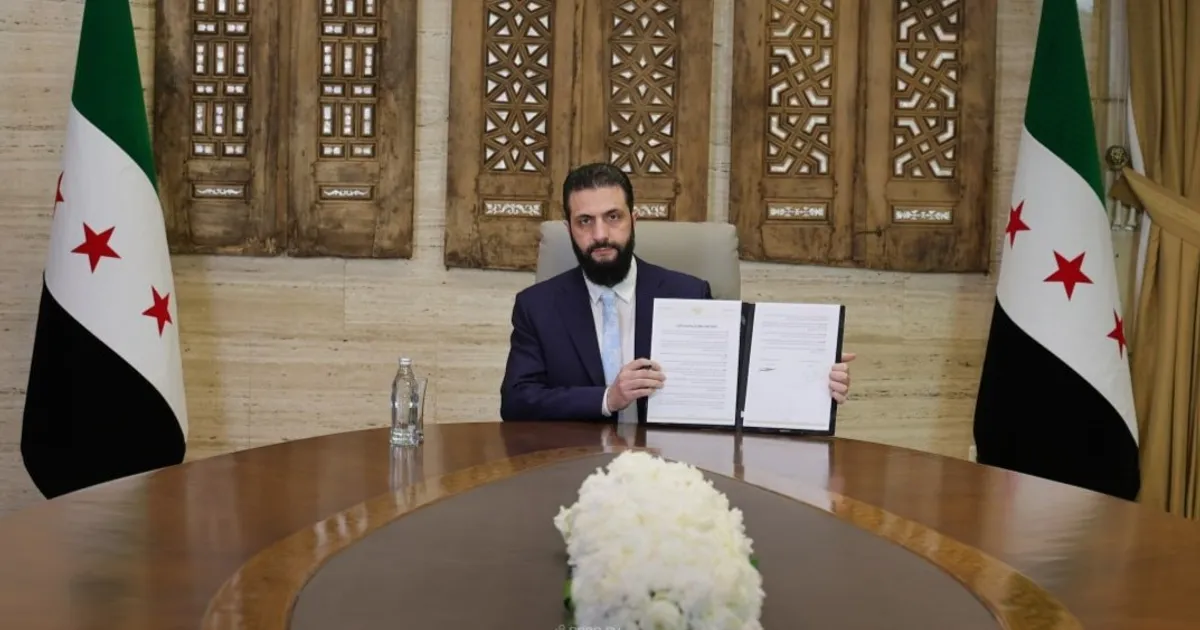
The situation in Syria remains complex and volatile, with the recent agreement between the Syrian government and the Syrian Democratic Forces (QSD) to halt escalating clashes in Hasakah and Deir ez-Zor being a focal point of concern. This article delves into the details of this وقف النار في دمشق والقسد (Damascus agreement and QSD ceasefire), examining its origins, current status, and potential future implications for the region. Understanding this agreement is crucial for grasping the evolving dynamics of the Syrian conflict and its impact on regional stability.
خلفية الصراع وتصاعد التوترات (Background of the Conflict and Escalating Tensions)
The recent clashes between the Syrian government forces and the QSD represent a significant escalation in a long-simmering dispute over control of territory in northeastern Syria. While the QSD, largely comprised of Kurdish fighters, has been a key US ally in the fight against ISIS, the Syrian government views them as an illegitimate armed group. This fundamental difference in perspective has fueled tensions for years, often managed through informal understandings and Russian mediation.
أسباب مباشرة للااشتباكات (Direct Causes of the Clashes)
The immediate trigger for the renewed fighting was an incident in July involving a QSD raid on a pro-government militia leader in Qamishli. This led to a series of retaliatory attacks and counter-attacks, quickly spreading to other areas in Hasakah and Deir ez-Zor provinces. The fighting resulted in casualties on both sides and raised fears of a wider conflict that could further destabilize the region. The situation was particularly concerning given the presence of numerous displaced persons and the ongoing humanitarian crisis.
تفاصيل اتفاق وقف النار (Details of the Ceasefire Agreement)
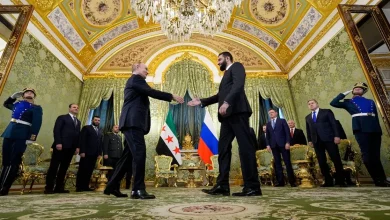
Following several days of intense fighting, a وقف النار في دمشق والقسد was brokered with the assistance of Russia. The agreement, announced by both sides, aimed to halt all hostilities and establish a framework for dialogue. Crucially, the agreement didn’t address the core issue of QSD autonomy, but rather focused on de-escalation and preventing further bloodshed.
بنود الاتفاق الرئيسية (Key Terms of the Agreement)
The main points of the agreement included:

- A complete cessation of hostilities.
- The withdrawal of QSD forces from certain areas, particularly those considered strategically important by the Syrian government.
- The release of prisoners held by both sides.
- The establishment of joint patrols in contested areas, overseen by Russian military police.
- A commitment to continue negotiations to resolve outstanding issues.
However, the implementation of these terms has been uneven, with reports of sporadic violations continuing to emerge. The lack of a clear timeline and the ambiguity surrounding the definition of “contested areas” have also contributed to ongoing uncertainty.
التحديات التي تواجه الاتفاق (Challenges Facing the Agreement)
Despite the initial positive impact of the وقف النار في دمشق والقسد, several significant challenges threaten its long-term viability. These challenges stem from the deep-seated mistrust between the two sides and the complex geopolitical interests at play.
الدور التركي والتهديدات الأمنية (The Turkish Role and Security Threats)
Turkey views the QSD as an extension of the Kurdistan Workers’ Party (PKK), a designated terrorist organization. Ankara has repeatedly threatened military intervention in northeastern Syria to target the QSD, a threat that undermines the stability of the ceasefire. The presence of Turkish forces and their allied Syrian National Army (SNA) factions in the region adds another layer of complexity to the situation. This external factor significantly impacts the الأمن في سوريا (security in Syria).
الخلافات حول الحكم الذاتي (Disagreements over Self-Governance)
The QSD seeks a degree of autonomy within Syria, a demand that is vehemently opposed by the Syrian government, which insists on restoring central control over all territories. This fundamental disagreement remains a major obstacle to a lasting political settlement. Finding a compromise that addresses the legitimate concerns of both sides will be essential for achieving sustainable peace.
تأثير داعش المستمر (The Ongoing Impact of ISIS)
While ISIS has been territorially defeated, the group continues to operate as an insurgency in Syria and Iraq. The ongoing security vacuum and the potential for renewed conflict between the Syrian government and the QSD could create opportunities for ISIS to regroup and regain strength. Maintaining pressure on ISIS remnants remains a critical priority for all parties involved. The fight against الإرهاب في سوريا (terrorism in Syria) is far from over.
مستقبل الاتفاق والسيناريوهات المحتملة (The Future of the Agreement and Potential Scenarios)
The future of the وقف النار في دمشق والقسد remains uncertain. Several scenarios are possible, ranging from a complete collapse of the agreement to a more durable political settlement.
- Scenario 1: Continued Violations and Escalation: If violations of the ceasefire continue and no meaningful progress is made in negotiations, the situation could easily escalate back into full-scale conflict.
- Scenario 2: Fragile Stability: The agreement could hold, but remain fragile and subject to periodic disruptions. This would likely involve continued Russian mediation and a limited degree of cooperation between the Syrian government and the QSD.
- Scenario 3: Political Settlement: A more optimistic scenario involves a comprehensive political settlement that addresses the core issues of governance, security, and power-sharing. This would require significant concessions from both sides and the active involvement of regional and international actors.
الخلاصة (Conclusion)
The وقف النار في دمشق والقسد represents a temporary reprieve from escalating violence in northeastern Syria. However, the underlying tensions and challenges remain significant. The agreement’s success hinges on the willingness of all parties to engage in good-faith negotiations, address the legitimate concerns of each other, and prioritize the stability and well-being of the Syrian people. It is vital to continue monitoring the situation closely and to support efforts aimed at achieving a lasting and inclusive peace. We encourage readers to share their thoughts and perspectives on this critical issue in the comments below. Further research into the الوضع السياسي في سوريا (political situation in Syria) is highly recommended for a comprehensive understanding.