

منهجية وطنية متكاملة لضمان استخدام الأطفال الآمن للمنصات الرقمية التفاعلية

The United Arab Emirates is at the forefront of digital safety, particularly concerning its youngest citizens. Recent discussions and legislative actions highlight a growing commitment to protecting children in the digital sphere, a necessity in a world increasingly defined by online interactions. This article delves into the importance of ‘السلامة الرقمية للطفل’ (Digital Safety of the Child) and the UAE’s strategic approach to ensuring a secure and sustainable digital environment for future generations.
الإمارات العربية المتحدة ورؤيتها الرائدة في مجال السلامة الرقمية للطفل
The UAE has consistently demonstrated its dedication to cybersecurity and innovation. It currently holds the number one position globally in the Cybersecurity Index, a testament to its robust infrastructure and proactive measures. This leadership extends to child online safety, recognized as a crucial element of a broader national strategy. The recently enacted Federal Decree-Law No. (26) of 2025 concerning the السلامة الرقمية للطفل stands as a landmark achievement, setting a high standard for legislative protection, and placing clear obligations on digital platforms operating within the country. The focus isn’t solely on reaction to incidents, but on preventing harm before it occurs.
أهمية ترسيخ “السيادة القضائية الرقمية”
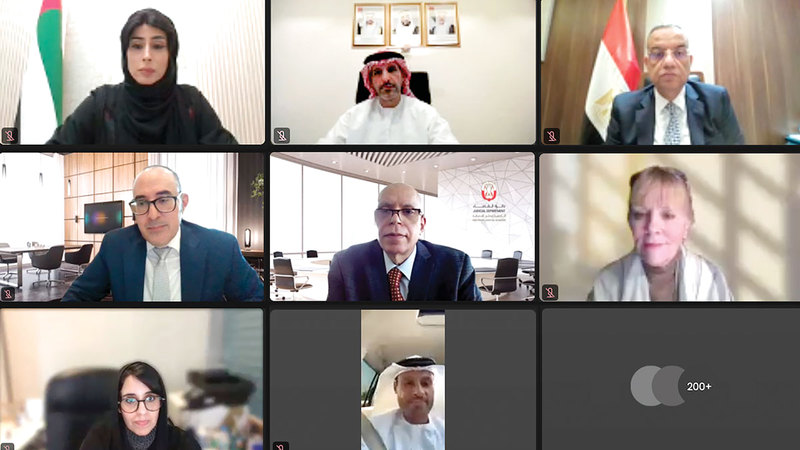
A key theme emerging from the Abu Dhabi Judiciary Department’s forum on السلامة الرقمية للطفل is the importance of establishing “digital judicial sovereignty.” This concept acknowledges the transnational nature of cybercrime and the need for legal frameworks capable of addressing offenses that cross borders. The forum, held under the slogan “Towards a Safe and Sustainable Digital Environment for Future Generations,” underscored the necessity of institutional and societal alignment in safeguarding children online. This alignment requires a concerted effort to enhance public awareness of the new legislation and its implications.
ركائز حماية الطفل على الإنترنت وفقاً لمجلس الأمن السيبراني
Dr. Mohamed Al Kuwaiti, Head of the UAE Government’s Cybersecurity Council, outlined four cornerstone principles for protecting children online. These act as a roadmap for effectively navigating the challenges of the digital world.
التوعية الموجهة (Targeted Awareness)
Raising awareness amongst children, parents, and educators is paramount. This awareness must be tailored to different age groups and address specific risks like cyberbullying, inappropriate content, and online predators.




تعليم الأمن السيبراني (Cybersecurity Education)
Integrating cybersecurity education into school curricula is crucial for empowering future generations with the knowledge and skills they need to stay safe online. This goes beyond simply warning about dangers; it focuses on responsible digital citizenship.
السياسات الوطنية (National Policies)
Strong national policies, like the newly enacted law, establish clear guidelines and legal frameworks for protecting children in the digital realm. They define responsibilities for all stakeholders involved.
حوكمة تأمين منصات الألعاب (Governance of Gaming Platform Security)
With the growing popularity of online gaming platforms like Roblox, it is vital to ensure such spaces are adequately governed with safety measures in place. This includes age verification, content moderation, and parental control options.
According to reports, the UAE faces over 200,000 cyberattacks daily, with threats originating from organized crime groups, hackers, state-sponsored actors, and even internal sources. These statistics underscore the constant vigilance required to maintain a safe online environment.
توصيات الهيئات القضائية وتعزيز التعاون الدولي
Recommendations stemming from the forum extended beyond national borders, recognizing the need for global collaboration. Key proposals included holding platforms accountable for proactive safety measures, making protective settings default for children’s accounts, establishing independent national regulatory bodies, and empowering the judiciary to interpret laws in a manner that maximizes child protection. A particularly innovative suggestion was granting courts the authority to issue binding recommendations to platforms to address technical vulnerabilities.
Furthermore, the forum highlighted the need to update the Budapest Convention—a significant international treaty on cybercrime—to include clear obligations for platforms concerning child safety. The establishment of an independent international organization dedicated to setting السلامة الرقمية (digital safety) standards was also proposed, with Abu Dhabi as a potential headquarters. A specialized International Internet Court, hosted in Abu Dhabi, could also address disputes between nations and digital platforms, providing a neutral forum for resolution.
دور الذكاء الاصطناعي في حماية الأطفال رقمياً
The increasing prevalence of Artificial Intelligence (AI) requires focused attention. The discussions emphasized the need to govern AI and establish international protocols ensuring its development and application remain safe and ethical for children. This proactive approach acknowledges the potential risks and benefits AI presents in the context of child safety.
القانون الإماراتي: نموذج متكامل للسلامة الرقمية
Dr. Fatima Al Kaabi, Deputy Head of the National Human Rights Institution, affirmed that Decree-Law No. (26) of 2025 aligns perfectly with international and regional standards. It embodies the principles of the UN Convention on the Rights of the Child and incorporates guidelines from UNICEF, setting a new standard in comprehensive, legally binding safety measures. The UAE stands out as the first Arab nation to enact legislation specifically addressing all facets of child online safety with such depth and inclusivity. Notably, the law mandates the provision of technical parental control tools and criminalizes new forms of exploitation like the inappropriate use of children’s images or information online.
In conclusion, the UAE’s commitment to السلامة الرقمية للطفل is unwavering. Through proactive legislation, multi-stakeholder collaboration, and a focus on education and awareness, the nation is striving to create a secure and sustainable digital future for its youth. The newly enacted laws and ongoing discussions set a powerful example for the region and the world, demonstrating that protecting children in the digital age requires a comprehensive, forward-thinking approach. Continued investment in cybersecurity, coupled with robust legal frameworks and international cooperation, will be crucial to safeguarding the next generation in an increasingly interconnected world.