
«كتاتيب الرقمية».. بنك أسئلة وملخصات تفاعلية لدعم الامتحانات المركزية

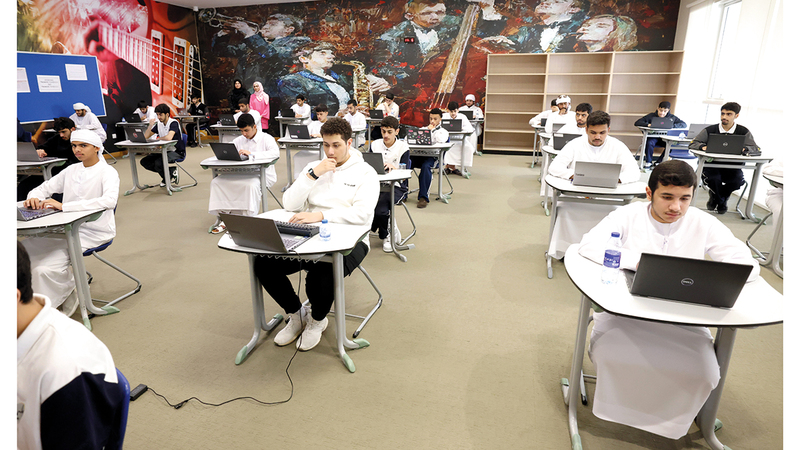
The start of the first semester exams for twelfth-grade students across the UAE has been marked by a wave of innovative initiatives from government schools, designed to provide comprehensive support – academically, emotionally, and psychologically – to students during this crucial period. These efforts, including the prominent “Digital Katateeb” platform, aim to foster a positive and successful exam experience. This article will delve into the details of these initiatives and the initial feedback from students regarding the first exam in Arabic Language.
دعم الطلاب في الامتحانات: مبادرات نوعية من المدارس الحكومية (Supporting Students During Exams: Innovative Initiatives from Government Schools)
The Ministry of Education and various school administrations have been proactive in implementing strategies to alleviate exam stress and enhance student preparedness. The focus isn’t solely on rote learning but on holistic development, ensuring students feel confident and equipped to tackle the challenges ahead. These initiatives are particularly important as students navigate the complexities of the central exams, which are pivotal for their future academic pathways. The keyword دعم الطلاب في الامتحانات (supporting students during exams) encapsulates the core theme of these efforts.
منصة “كتاتيب الرقمية”: بنك أسئلة ومراجعة تفاعلية (The “Digital Katateeb” Platform: A Question Bank and Interactive Review)
One of the standout initiatives is the “Digital Katateeb” platform. This digital resource provides students with access to extensive question banks and interactive summaries, proving invaluable for quick revision and reinforcing key concepts. The platform isn’t just a repository of information; it’s a complete learning ecosystem.
مميزات “كتاتيب الرقمية” (Features of “Digital Katateeb”)
“Digital Katateeb” offers a range of features designed to cater to diverse learning needs. These include:
- الهيكل الاختباري ونماذج سابقة (Exam Structure and Previous Models): Familiarizing students with the exam format.
- فيديوهات توضيحية (Explanatory Videos): Clarifying difficult topics.
- اختبارات إلكترونية (Electronic Tests): Simulating the actual exam experience.
- خدمات أكاديمية ونفسية (Academic and Psychological Services): Addressing both learning and emotional wellbeing.
- جدول المراجعات (Revision Schedules): Helping students organize their study time effectively.
The platform’s comprehensive approach to دعم الطلاب في الامتحانات (supporting students during exams) has been widely praised by both students and educators.




مبادرات إضافية لتعزيز الاستعداد النفسي والأكاديمي (Additional Initiatives to Enhance Psychological and Academic Preparedness)
Beyond “Digital Katateeb,” schools have launched several other programs to bolster student readiness. The “Najah” (Success), “Isti’dad” (Preparedness), “Saa’at Tawasul” (Hour of Communication), and “Shaddoo al-Humam” (Encourage the Aspirations) initiatives all contribute to a supportive learning environment.
The “Ifada” (Benefit) program provided focused review sessions before exams, targeting areas where students needed extra help. School administrations also implemented a daily “Hour of Communication” allowing students to ask last-minute questions, particularly in science subjects. This direct access to teachers proved to be a significant source of support. Furthermore, “Hour of Consultation” sessions with educational counselors offered psychological support, focusing on techniques like deep breathing, time management, and study planning.
“شدّوا الهمم” و”استعداد”: خلق بيئة إيجابية ( “Shaddoo al-Humam” and “Isti’dad”: Creating a Positive Environment)
The “Shaddoo al-Humam” initiative involved distributing motivational messages and encouragement cards to students each morning during the exam period. This initiative, with participation from teachers and parents, fostered a positive atmosphere and boosted student morale. The “Isti’dad” program utilized mock exams to familiarize students with the style and grading scheme of the central exams, helping them manage their time and reduce anxiety. This proactive دعم الطلاب في الامتحانات (supporting students during exams) strategy proved highly effective.
انطباعات الطلاب حول امتحان اللغة العربية (Student Impressions of the Arabic Language Exam)
Yesterday, twelfth-grade students across the UAE – in both government and private schools following the Ministry of Education curriculum – completed their first semester exam in Arabic Language. Initial reports indicate that the exam was straightforward and accessible to all students. Students generally agreed that the questions were diverse, directly related to the curriculum, and catered to different learning levels. No significant difficulties were reported. Students are scheduled to take the Islamic Education exam today, November 27th. The positive feedback regarding the Arabic exam is a testament to the effectiveness of the دعم الطلاب في الامتحانات (supporting students during exams) programs.
استقرار العملية الامتحانية (Stability of the Examination Process)
The Ministry of Education has confirmed that no complaints or inquiries were received regarding the Arabic Language exam paper. School administrations also reported a smooth and stable examination process, with no objections or concerns raised by students. This positive start to the exam period reflects the careful planning and implementation of the various support initiatives. Related keywords like الاستعداد للامتحانات (exam preparedness) and البيئة التعليمية (educational environment) are crucial to understanding the overall context.
In conclusion, the proactive measures taken by the Ministry of Education and government schools demonstrate a strong commitment to دعم الطلاب في الامتحانات (supporting students during exams). The innovative use of digital platforms like “Digital Katateeb,” coupled with targeted psychological and academic support programs, is creating a positive and empowering exam experience for students across the UAE. The initial success of these initiatives is encouraging, and continued investment in student wellbeing will undoubtedly lead to even greater academic achievements. We encourage students to continue utilizing these resources and seeking support when needed.