
عبدالله بن زايد ووزير الخارجية الهندي يترأسان أعمال اللجنة المشتركة والحوار الاستراتيجي بين البلدين

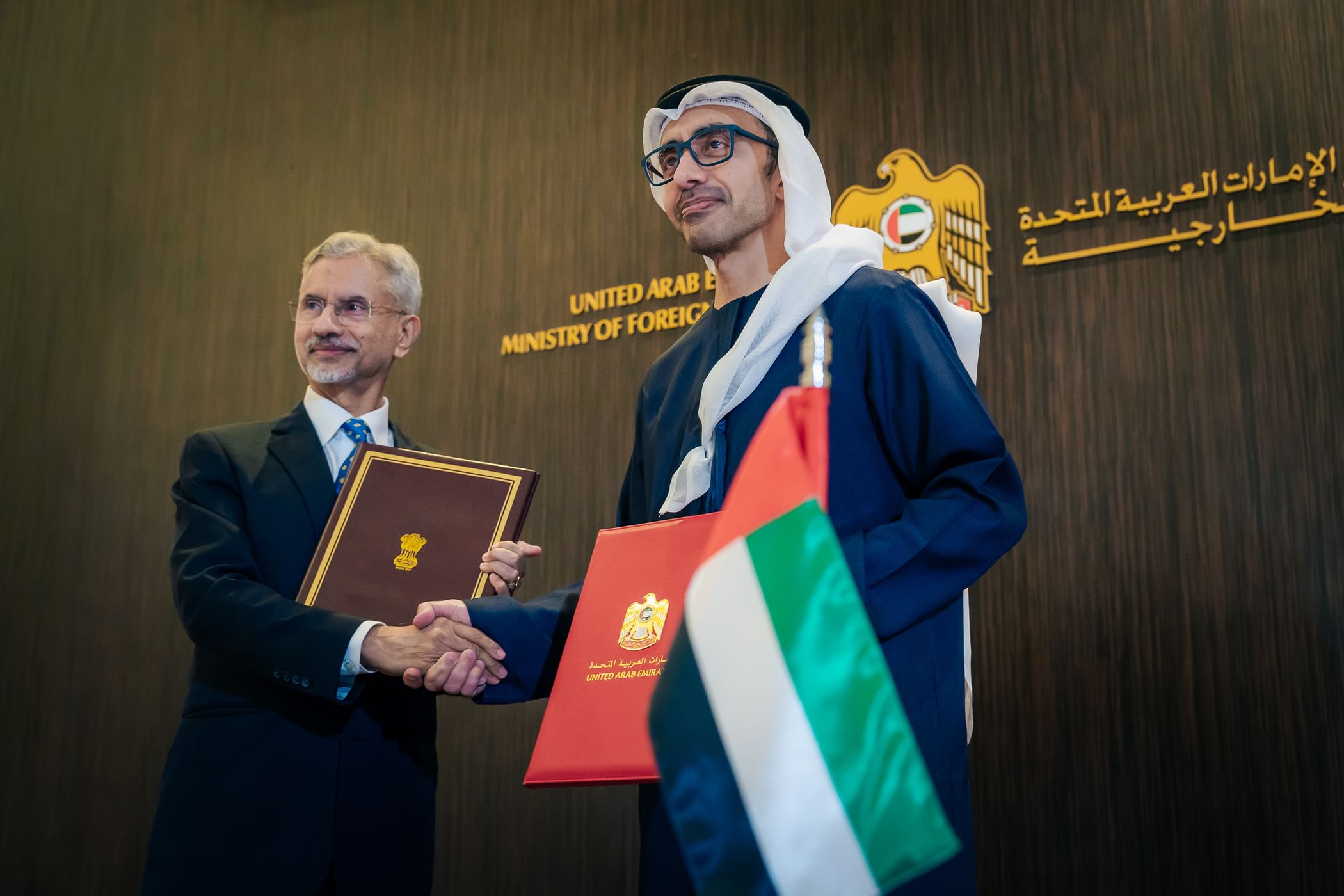
The United Arab Emirates and India have solidified their strategic partnership, as evidenced by the recent convening of the 16th session of the Joint Committee and the 5th Strategic Dialogue in Abu Dhabi, presided over by Sheikh Abdullah bin Zayed Al Nahyan, Minister of Foreign Affairs, and Dr. Subrahmanyam Jaishankar, India’s Minister of External Affairs. This meeting underscores the deepening UAE-India relations and commitment to mutual growth across various sectors. The discussions focused on bolstering economic ties, fostering digital financial integration, and strengthening educational collaboration, marking a significant step in the bilateral journey.
A Milestone in the UAE-India Strategic Partnership
The meeting took place at a crucial juncture, reflecting the advanced stage of the partnership between the two nations. It served as a vital checkpoint in the trajectory of their bilateral relations, demonstrating the significant progress achieved. The high-level participation from both sides – encompassing ministers and senior officials – clearly signaled a strong political commitment to enhancing cooperation in political, economic, cultural, and educational spheres.
This isn’t merely a diplomatic exchange; it’s a testament to the shared vision of leadership in both countries. The UAE and India recognize the immense potential of a strengthened alliance, particularly in a rapidly evolving global landscape. The focus on practical outcomes and tangible results highlights the pragmatic approach adopted by both nations.
Boosting Economic Cooperation & Trade
A key focus of the discussions was the Comprehensive Economic Partnership Agreement (CEPA) between the UAE and India. The agreement has already demonstrably boosted bilateral trade, bringing both countries closer to their shared goal of $100 billion in trade volume. This CEPA is a cornerstone of the enhanced economic cooperation and is expected to unlock further opportunities for businesses and investors.
Furthermore, the dialogue highlighted the remarkable progress in digital financial integration. The linkage between India’s Unified Payments Interface (UPI) and the UAE’s AANI platform, alongside the interoperability of RuPay and JioWan cards, are groundbreaking steps. These initiatives promise to enhance efficiency, reduce costs, and broaden financial inclusion, benefiting businesses, workers, students, and tourists alike. This digital connectivity is a vital component of future growth.



Investing in Education and Human Capital
Recognizing the pivotal role of education in fostering long-term collaboration, both sides emphasized the importance of knowledge exchange and academic partnerships. The establishment of the Gandhi-Zahed Center for Peace, Tolerance, and Sustainability is a significant initiative aimed at building a sustainable knowledge base and promoting cultural understanding.
IIT Delhi Abu Dhabi: A Symbol of Academic Excellence
The progress of the Indian Institute of Technology Delhi (IITD) Abu Dhabi was also reviewed with considerable satisfaction. The institute’s rapid achievements in a short period were lauded, reinforcing the commitment of both countries to academic excellence. The establishment and operation of a prestigious academic institution like IITD Abu Dhabi represents a qualitative achievement, showcasing the dedication to fostering a world-class educational environment. This initiative is a prime example of bilateral collaboration extending beyond economic ties.
Sheikh Abdullah bin Zayed’s Vision for the Future
In his address, Sheikh Abdullah bin Zayed Al Nahyan praised the rapid growth in UAE-India relations, emphasizing that the Joint Committee and Strategic Dialogue serve as an effective platform for translating the vision of both countries’ leadership into tangible results that support shared prosperity. He underscored the importance of continued collaboration and the pursuit of mutually beneficial outcomes.
The Sheikh’s remarks highlight the strategic importance placed on this partnership by the UAE, viewing it as a key driver of economic growth and regional stability. This commitment is reflected in the high-level participation and the comprehensive agenda of the meeting.
Formalizing the Commitment: The Joint Committee’s Protocol
The meeting concluded with the signing of the official protocol for the 16th session of the Joint Committee, solidifying the agreements reached and outlining the roadmap for future cooperation. This formalization demonstrates the seriousness with which both nations approach this partnership.
The UAE delegation included prominent ministers such as Reem Al Hashimy, Minister of State for International Cooperation; Suhail Al Mazrouei, Minister of Energy and Infrastructure; Dr. Ahmed Al Falasi, Minister of Sports; Dr. Thani Al Zeyoudi, Minister of Foreign Trade; Ahmed Al Sayigh, Minister of Health and Prevention; Dr. Abdulrahman Al Awar, Minister of Human Resources and Emiratisation and Minister of Higher Education and Scientific Research; Mohamed Al Suwaidi, Minister of Investment; Omar Al Olama, Minister of State for Artificial Intelligence, Digital Economy and Remote Work Applications; Mohamed Al Mazrouei, Minister of State for Defence Affairs; Noura Al Kaabi, Minister of State; Saeed Al Hajri, Minister of State; and Khaled Balama, Governor of the Central Bank of the UAE, along with Dr. Abdul Nasser Al Shaali, UAE Ambassador to India. This extensive representation underscores the breadth and depth of the UAE-India relations.
In conclusion, the 16th session of the Joint Committee and the 5th Strategic Dialogue between the UAE and India represent a significant milestone in their enduring partnership. The discussions, focused on economic growth, digital integration, and educational collaboration, demonstrate a shared commitment to a prosperous future. This meeting reaffirms the UAE and India’s position as key strategic partners, poised to navigate the challenges and opportunities of the 21st century together. Further exploration of the CEPA benefits and the advancements in digital financial integration are encouraged for businesses and individuals seeking to capitalize on these burgeoning opportunities.