
عبدالله بن زايد ونائب رئيس الوزراء وزير الخارجية العراقي يبحثان هاتفياً العلاقات الأخوية بين البلدين

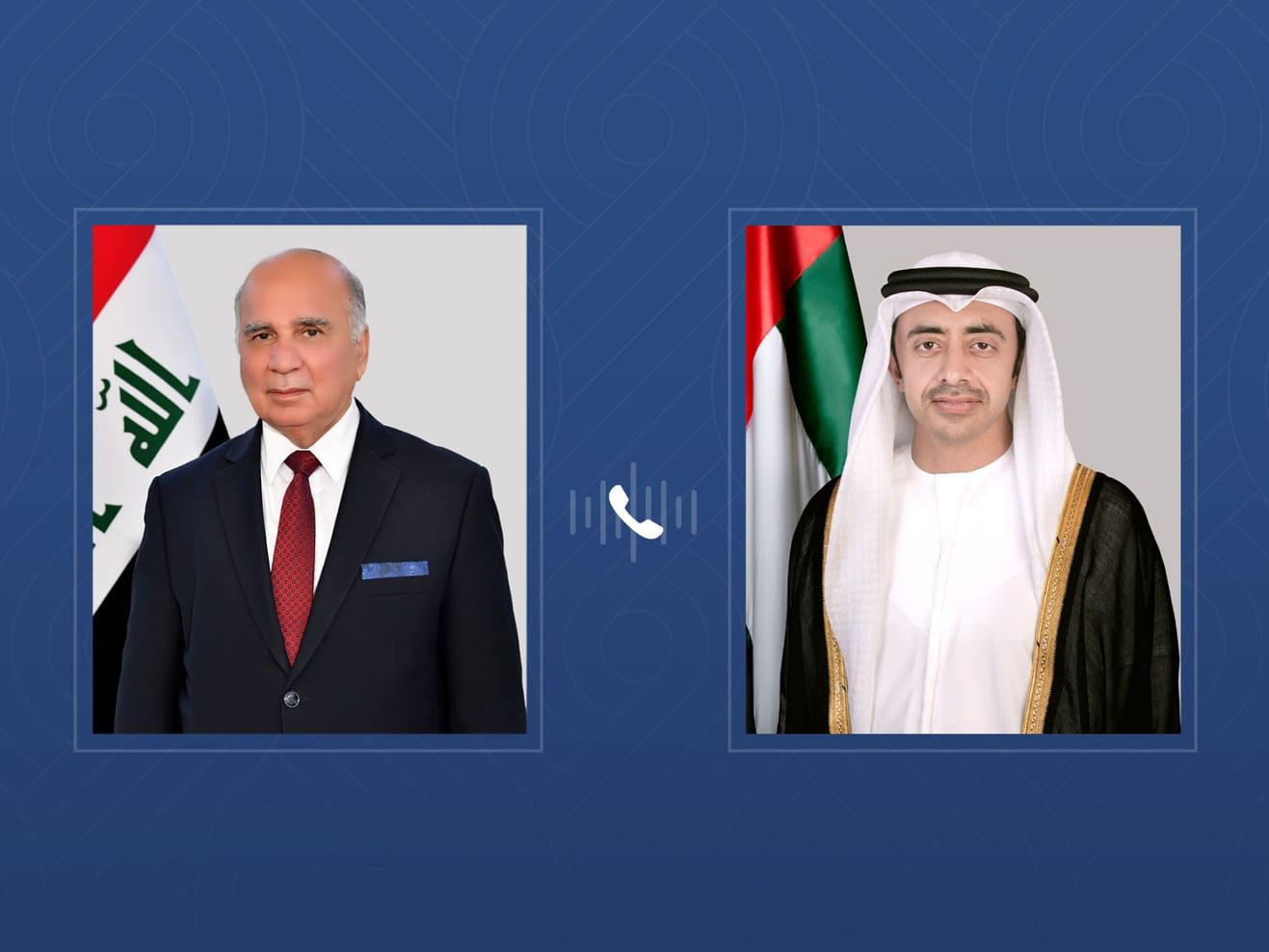
The recent phone call between Sheikh Abdullah bin Zayed Al Nahyan, the UAE’s Minister of Foreign Affairs, and Dr. Fouad Hussein, Iraq’s Deputy Prime Minister and Minister of Foreign Affairs, underscores the strong and evolving العلاقات الإماراتية العراقية (UAE-Iraqi relations). This discussion focused on strengthening bilateral cooperation and addressing key regional and international issues, signaling a continued commitment to stability and prosperity in the region. The call highlights the UAE’s dedication to fostering positive ties with Iraq, a crucial partner in navigating the complexities of the Middle East.
تعزيز التعاون الثنائي بين الإمارات والعراق (Strengthening Bilateral Cooperation Between the UAE and Iraq)
The core of the conversation revolved around identifying and expanding opportunities for joint work across various sectors. Both Sheikh Abdullah and Dr. Hussein acknowledged the importance of aligning their efforts with each other’s developmental priorities. This isn’t merely diplomatic rhetoric; it reflects a growing practical collaboration.
مجالات التعاون الرئيسية (Key Areas of Cooperation)
Several sectors were identified as particularly promising for increased collaboration. These likely include energy, infrastructure development, investment, and potentially, tourism. Iraq, with its vast oil reserves, presents significant investment opportunities for the UAE, while the UAE’s expertise in infrastructure and economic diversification can be invaluable to Iraq’s reconstruction efforts. The discussion also likely touched upon facilitating trade and removing barriers to economic exchange, further solidifying the العلاقات الإماراتية العراقية.
مناقشة القضايا الإقليمية والدولية (Discussing Regional and International Issues)
Beyond bilateral ties, the two ministers engaged in a comprehensive exchange of views on pressing regional and international matters. This demonstrates a shared understanding of the interconnected challenges facing the Middle East and a willingness to coordinate responses.
The specific topics discussed weren’t detailed in the initial report, but it’s reasonable to assume they included the ongoing situation in Syria, the Palestinian-Israeli conflict, and efforts to combat terrorism. Furthermore, the ministers likely addressed the broader geopolitical landscape, including the impact of global economic trends and the role of external actors in the region. Maintaining open communication channels on these sensitive issues is vital for promoting stability and preventing escalation. This proactive approach is a hallmark of the UAE’s foreign policy, particularly its commitment to regional security and الاستقرار الإقليمي (regional stability).



تأكيد عمق العلاقات الأخوية (Reaffirming the Depth of Brotherly Relations)
Sheikh Abdullah bin Zayed Al Nahyan explicitly emphasized the deep-rooted fraternal ties between the UAE and Iraq. This sentiment wasn’t simply a formality; it reflects a genuine desire to build a strong and enduring partnership based on mutual respect and understanding.
He expressed his sincere wishes for continued stability, progress, and prosperity for Iraq and its people. This support is particularly significant given the challenges Iraq has faced in recent decades, including political instability, economic hardship, and the threat of extremism. The UAE has consistently voiced its support for a sovereign, stable, and prosperous Iraq, recognizing its crucial role in the region. This commitment to دعم العراق (supporting Iraq) is a consistent theme in UAE foreign policy.
The UAE’s approach to Iraq is characterized by a long-term vision, focusing on sustainable development and mutual benefit. This is a departure from short-sighted interventions and reflects a genuine commitment to helping Iraq realize its full potential.
أهمية التواصل المستمر (The Importance of Continuous Communication)
The phone call itself is a testament to the importance both countries place on maintaining regular and open communication. In a region often marked by mistrust and conflict, such dialogue is essential for building confidence and resolving disputes peacefully.
This level of engagement allows for a more nuanced understanding of each other’s perspectives and facilitates the development of coordinated strategies to address shared challenges. It also provides a platform for addressing any concerns or misunderstandings that may arise, preventing them from escalating into larger conflicts. The consistent dialogue between the UAE and Iraq is a positive sign for the future of العلاقات الإماراتية العراقية.
نظرة مستقبلية (Future Outlook)
The recent conversation between Sheikh Abdullah bin Zayed Al Nahyan and Dr. Fouad Hussein signals a promising future for UAE-Iraqi relations. The focus on strengthening economic cooperation, addressing regional challenges, and reaffirming fraternal ties demonstrates a shared commitment to building a more stable and prosperous future for both countries.
Looking ahead, we can expect to see increased investment and trade between the UAE and Iraq, as well as closer collaboration on issues of mutual concern. The UAE’s continued support for Iraq’s development and stability will be crucial in helping the country overcome its challenges and realize its full potential.
To learn more about the UAE’s foreign policy and its relations with other countries in the region, visit the official website of the UAE Ministry of Foreign Affairs. Further insights into Iraq’s developmental priorities can be found on the website of the Iraqi Ministry of Foreign Affairs. Continued monitoring of these bilateral interactions will be key to understanding the evolving dynamics of the Middle East.