
خريجون بلا قدرات رقمية يخسرون وظائف الغد.. ومختصون: «درسوا علوماً قديمة»

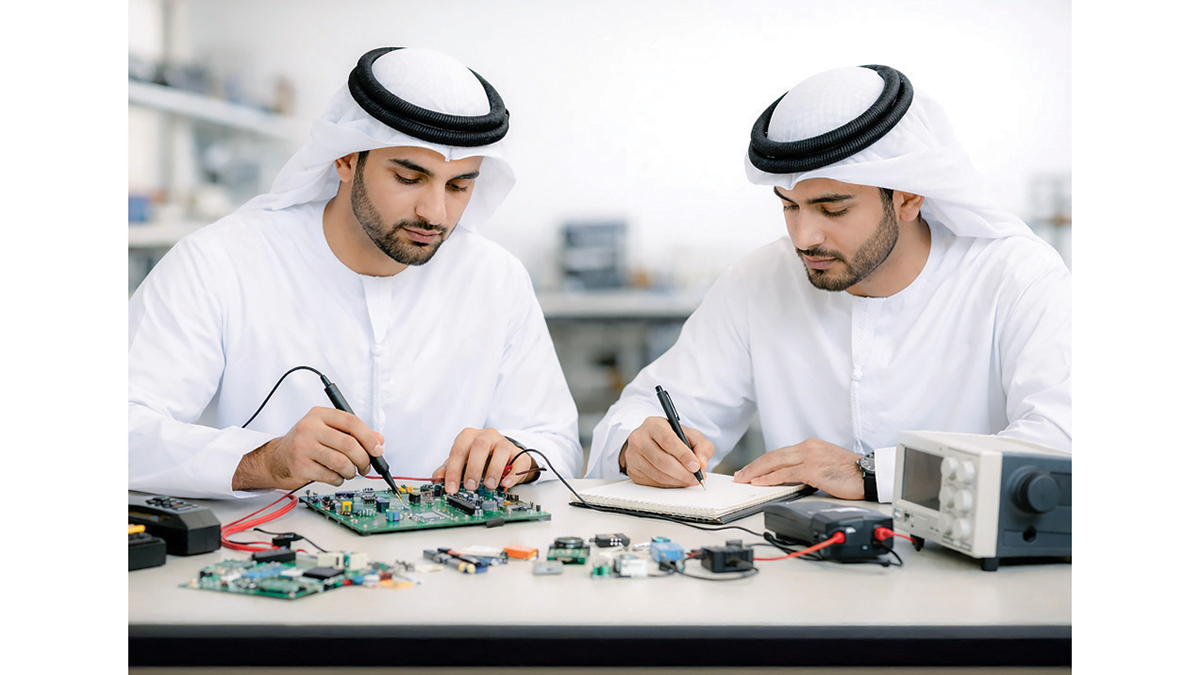
The rapid pace of technological advancement, particularly in areas like artificial intelligence, is fundamentally reshaping the job market. Experts in education, employment, and academic guidance are increasingly emphasizing the urgent need for a radical shift in student skillsets to prepare them for the jobs of tomorrow. This article delves into the growing skills gap, the challenges faced by students and institutions, and the proposed solutions, including the development of a “skills compass” to navigate the future of work. The core issue revolves around ensuring مهارات المستقبل (future skills) are integrated into education.
فجوة المهارات المتزايدة: تحدي يواجه الخريجين (The Growing Skills Gap: A Challenge Facing Graduates)
Reports consistently demonstrate a widening gap between the skills employers seek and those possessed by recent graduates. According to the World Economic Forum’s “Jobs of the Future 2025” report, a staggering 87% of companies are struggling to recruit talent with the necessary digital and analytical skills. Economic institutions are anticipating a significant transformation in job roles over the next few years, further exacerbating the problem. Unfortunately, the updating of curricula and academic programs is lagging behind the speed of economic development, leaving students ill-prepared. This discrepancy highlights the crucial need to bridge the divide and proactively focus on تطوير المهارات (skills development).
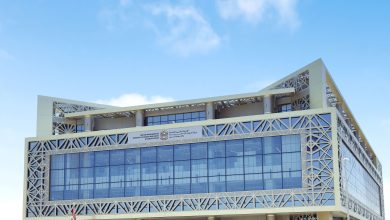
The Ministry of Higher Education and Scientific Research recognizes the gravity of this situation. A spokesperson stated that they are actively working with multiple stakeholders to redesign future specializations with a new, forward-looking methodology. The goal is to translate these trends into concrete changes in programs, curricula, and learning mechanisms, ensuring students acquire in-demand skills, as the job market offers no leniency to those falling behind.
آراء الطلاب والخريجين: نظرة على الواقع (Student & Graduate Voices: A View of Reality)
Feedback from current university students and recent graduates paints a clear picture of the disconnect. Many feel the academic content doesn’t align with the requirements of today’s employers. Students often describe curricula focused on traditional theories, while the job market increasingly demands advanced skills in areas like artificial intelligence, data analytics, and digital solution design.
Khaled Mohammed, a recent media graduate, expressed his frustration: “We study the past, while the job market is moving towards data analysis and tools we don’t even see in our academic programs. Most of our projects are theoretical and don’t utilize the analysis or design software required by media companies today.”



She, like many of her peers, relies heavily on self-directed learning to compensate for these shortcomings, focusing on tools like Google Analytics, Power BI, and AI-powered content creation.
ضرورة وجود بوصلة للمهارات (The Imperative of a Skills Compass)
The lack of early career guidance is a significant contributing factor. Seraj El-Din Ammour, a secondary school student, highlights this point: “We need a platform that tells us which professions will flourish. We usually choose our specialization based on tradition, not necessity. No one explains the difference between a field in demand today and one that will disappear in a few years.” He added that many of his classmates base their educational choices on family opinions or personal preferences, without a clear understanding of future trends. The development of a comprehensive توجيه مهني (career guidance) system is therefore paramount.
Engineering student, Khalid Mohammed, points out a technological gap even within scientific disciplines. “We learn the fundamentals only, but companies demand modern tools that we don’t study. During practical training, we discovered that companies use technologies like advanced modeling and digital simulation, while our curricula struggle to keep pace with this progress.” He mentioned that some engineering programs haven’t been updated in years, despite the increasing use of analytical AI tools in the field.
نتائج استطلاع الرأي: تأكيد للفجوة (Poll Results: Confirming the Gap)
An opinion poll conducted by “Al Emarat Al Youm” in collaboration with the Ministry of Higher Education and Scientific Research, surveying 420 students and graduates, confirmed a significant gap between what students learn and what they actually need to succeed in university and the job market.
The poll revealed that 42% of participants believe “critical thinking” is the most important skill to develop before entering university, reflecting a growing realization of the importance of analytical skills and independent judgment, moving away from rote memorization.
However, communication and teamwork skills received a comparatively low 12%, indicating a lack of awareness regarding their vital importance, particularly as they are universally recognized as key criteria in recruitment processes.
Regarding job market demands, 60% of respondents identified “digital and technical skills” as the true path to employment opportunities, with linguistic skills and problem-solving abilities trailing behind. Innovation and entrepreneurship were also highly valued, garnering 38% of the votes.
The survey also indicated that 55% of participants feel that university training is “insufficient” for acquiring the skills needed for the future, while 24% believe it needs “significant development.” This means that over four out of five students believe the current curricula fail to keep up with rapid changes in required skills.
آراء الخبراء: نحو نظام تعليمي استباقي (Expert Opinions: Towards a Proactive Education System)
Education, economic, and entrepreneurial experts agree that closing the skills gap requires a more active role from higher education institutions themselves. Universities are no longer solely responsible for delivering theoretical knowledge; they must empower students with practical skills, enhance the quality of practical training, and integrate modern technologies and digital skills into their programs.
Experts emphasize the urgent need for a “national skills platform” to bridge the gap between education and the economy. They believe the UAE has a golden opportunity to strengthen its leadership in this area, especially with the significant expansion of sectors like artificial intelligence, automation, big data analytics, creative industries, and biotechnology. These sectors demand skills that are evolving rapidly, outpacing the ability of curricula to adapt.
Dr. Jamal Al-Saidi, an economic expert and entrepreneurship consultant, believes the proposed national platform should not only be a database, but also an “early warning system” for skills facing obsolescence and a roadmap for future professions.
Reports from the Organisation for Economic Co-operation and Development (OECD) indicate structural shifts in the job market occur every 18-24 months due to technology, while curricula typically change every 7-10 years. This creates a large time gap that renders traditional education inadequate for rapidly evolving sectors.
Ultimately, investing in a national skills platform today will define the UAE’s economic competitiveness in the coming decade. Access to accurate, real-time data about job market needs is critical for effective educational planning and تطوير الكفاءات (building competencies).
الخلاصة: الاستعداد لمستقبل العمل (Conclusion: Preparing for the Future of Work)
Addressing the growing skills gap is a national priority. The Ministry of Higher Education and Scientific Research is committed to aligning educational outcomes with the demands of the evolving job market, through collaboration with various stakeholders and a focus on proactive curriculum design. Effective مهارات المستقبل require continuous adaptation, incorporating data-driven insights, enhanced career guidance, and a commitment to enabling lifelong learning, ensuring a future-ready workforce for the UAE. Embracing a dynamic, forward-thinking approach to education is no longer optional—it’s essential for sustained economic growth and prosperity.