
الغياب يُحتسب بالأوزان للطلبة من الرابع حتى الثاني عشر في المدارس الحكومية

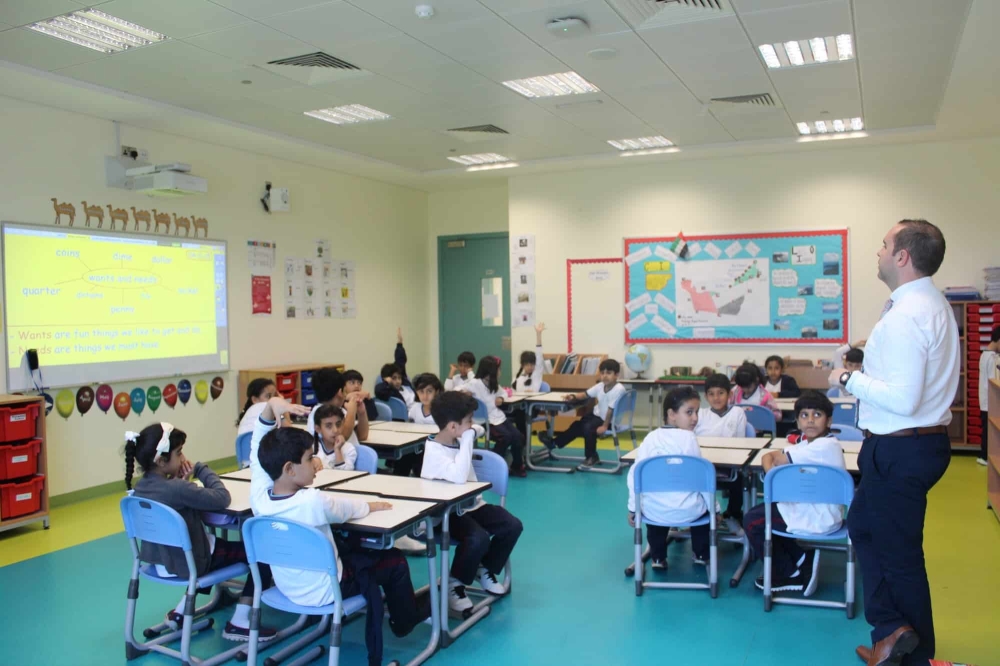
The United Arab Emirates’ Ministry of Education has recently implemented a new system for tracking student attendance, aiming to standardize procedures and clarify the impact of absences on academic progress. This system, centered around student attendance and a weighted approach to recording absences, is set to be enforced across all public schools starting the academic year 2025-2026. The move underscores the ministry’s commitment to ensuring consistent educational standards and prioritizing student success. This article will delve into the details of this new system, outlining the types of absences, the procedures for handling them, and the support mechanisms available to students at risk of exceeding allowable absence limits.
نظام الأوزان الرقمية للغياب: تفاصيل وشروط جديدة
The core of the new regulation lies in the introduction of a digital weighting system for absences. Regular absences are assigned a value of (1), equating to one day of absence. However, certain absences are considered “double-weighted,” receiving a value of (2) and counting as two days of absence. These include absences on Fridays, days immediately before or after official holidays, and during the critical period leading up to final exams. This nuanced approach acknowledges that some absences disrupt the learning process more significantly than others.
توقيت الغياب المضاعف وأثره على الطالب
Specifically, the “double-weighted” absence period applies from November 10th to 19th for the first semester, March 2nd to 13th for the second semester, and June 15th to 23rd for the third semester. This timing is strategically chosen to protect the crucial study time before assessments. Understanding these distinctions is vital for both students and parents to manage school attendance effectively and avoid penalties.
سقف الغياب المسموح به وعقوبة الرسوب
The Ministry of Education has established a clear limit for unjustified absences: 15 days per academic year, regardless of whether the absences are consecutive or scattered. Exceeding this limit will automatically result in the student being classified as failing, in accordance with established regulations. This firm stance emphasizes the importance of consistent classroom participation for academic achievement. Regular school attendance is therefore not merely encouraged, but mandated for successful completion of the academic year.
تسلسل الإجراءات والإنذارات في حالات الغياب
The ministry has outlined a progressive series of alerts and warnings to address unjustified absences. The process begins with a written warning issued after just one day of absence. This is followed by a first warning at three days, a second warning at six days (accompanied by referral to the Child Protection Unit), and a third warning at ten days. Finally, a notice is sent upon reaching 15 days, followed by a notification of exceeding the limit and subsequent failure. This structured approach aims to provide ample opportunity for intervention and improvement before a student’s academic standing is jeopardized.




الأعذار المقبولة للغياب المبرر
The Ministry recognizes that legitimate reasons may necessitate student absences. Acceptable excuses include documented illness (with a medical certificate), medical appointments, accompanying a first-degree relative for treatment abroad (for a maximum of one month, potentially extendable), representing the UAE in official events, bereavement of a first or second-degree relative, performing the Hajj pilgrimage, and special circumstances (limited to five days per year). Furthermore, collective absences due to emergencies like severe weather, epidemics, or exceptional events are also acknowledged. Proper documentation is crucial for all excused absences.
التوثيق الإلكتروني وأهمية التواصل مع أولياء الأمور
All schools are now required to maintain electronic records of student attendance through a ministry-approved system. This includes tracking attendance for each individual lesson and the overall school day. Crucially, parents must be immediately notified of any absence or tardiness. All supporting documentation for excused absences must be integrated into the student’s official record. This digital system promotes transparency and accountability in managing student absence.
خطط الدعم الشاملة للطلاب المعرضين للغياب
Recognizing that some students may be more prone to absenteeism due to various factors, the ministry mandates that schools develop comprehensive support plans. These plans should be based on an analysis of previous attendance records, identifying students at risk. The involvement of school psychologists and social workers is essential, as is consistent communication with parents. These plans should also incorporate motivational and guidance programs, with their effectiveness evaluated within one month of implementation.
دور الجهات المعنية ورقابة الامتثال
The procedural guide clearly defines the roles and responsibilities of all stakeholders, including school administration, teachers, data entry personnel, academic and social counselors, and regional directors. Ministry departments responsible for school operations, curriculum, digital transformation, and monitoring and licensing also have specific duties. This collaborative framework ensures data accuracy, procedural compliance, and effective student support. Regular field inspections and audits will be conducted to verify adherence to the new regulations, with appropriate penalties for non-compliance.
In conclusion, the Ministry of Education’s new system for managing student attendance represents a significant step towards enhancing educational quality and ensuring equitable opportunities for all students. By implementing a weighted absence system, establishing clear limits, and providing comprehensive support mechanisms, the ministry aims to foster a culture of regular attendance and academic success. Parents and students are encouraged to familiarize themselves with these new guidelines to ensure a smooth and productive academic year. For further details and clarification, please refer to the official guidelines published by the Ministry of Education.