


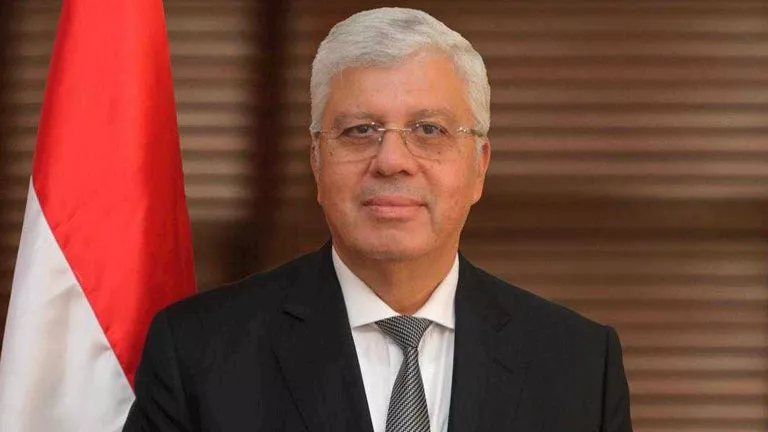
The Egyptian higher education system is undergoing a significant transformation, embracing internationalization and expansion to meet the growing demands of a young population and a rapidly evolving job market. This shift was a central theme in a recent coordination meeting led by Dr. Ayman Ashour, Minister of Higher Education, with branches of foreign universities operating within Egypt. The meeting highlighted Egypt’s ambitions to become a leading global educational hub and underscored the crucial role these branches play in realizing this vision. The discussion focused on the current state of الجامعات الأجنبية في مصر (foreign universities in Egypt), future expansion plans, and integration with the broader national higher education strategy.
Expanding Access & Internationalization: A National Strategy
Dr. Ashour emphasized the remarkable growth of Egyptian universities since 2014, with the number increasing from 50 to 128. This expansion is driven by a clear need to accommodate the rising number of students seeking higher education and to achieve the target of absorbing over 5.6 million students by 2032. Furthermore, attracting international students is a key priority, necessitating a high-quality and globally competitive educational landscape. The ministry’s strategy prioritizes internationalization, aiming to enhance the universities’ global standing and relevance. This involves fostering collaboration, adopting international standards, and embracing interdisciplinary learning.
The Unique Contribution of Foreign University Branches
The establishment of foreign university branches in Egypt represents a particularly innovative aspect of this internationalization effort. These branches offer Egyptian and international students the opportunity to study programs aligned with the latest global trends, delivered according to international academic standards. Importantly, students receive degrees directly from the parent foreign university, providing them with internationally recognized credentials. This development has alleviated the financial burden on many Egyptian families, allowing students to pursue world-class education without the expense of studying abroad. This approach to التعليم العالي الدولي (international higher education) is a cornerstone of the ministry’s plan.
Current Status and Future Growth of Branches
Currently, nine foreign university branches are fully operational across Egypt. An additional eleven branches have completed the necessary review processes and are awaiting final presidential decrees for official launch. A further ten applications are currently under consideration. Notably, British universities represent the largest contingent of these branches, solidifying Egypt’s position as the fourth-largest host country for UK university branches globally, and the leading one in Africa.
Recent agreements signed during French President Emmanuel Macron’s historic visit to Egypt further diversify the international landscape. These agreements include 42 Memoranda of Understanding (MoUs) between Egyptian and French universities, expanding access to French-language education within Egypt and other African nations. The launch of the International Academy for Architecture and Urban Development in the New Administrative Capital is a prime example of successful international collaboration in higher education. The Ministry’s efforts also extend to attracting institutions offering qualifications in professional fields, demonstrated by agreements with the Royal College of Surgeons of Edinburgh and the Association of Chartered Certified Accountants (ACCA) in the UK to establish branches providing accredited training programs. These align with the needs of an evolving سوق العمل الدولي (international job market).



Egyptian Universities Expanding Overseas
The internationalization strategy isn’t solely about attracting foreign institutions to Egypt. The ministry is also actively supporting the establishment of branches of Egyptian universities abroad. Currently, four such branches are being developed, viewed as extensions of Egypt’s own efforts to attract international students and promote its soft power in the global education sector.
Attracting International Students: “Study in Egypt” & Egy Aid
To actively cultivate a diverse student body, the ministry is implementing several initiatives to attract international students. The “Study in Egypt” platform is a central component, providing comprehensive information about higher education opportunities available in the country. Alongside this, the Egyptian initiative for scholarships and educational tourism (“Egy Aid”) offers financial assistance to deserving students from around the world. Comprehensive marketing campaigns through Egyptian cultural offices abroad are further amplifying the message that Egypt is a premier destination for higher education.
Supporting Student Excellence with Scholarships
The Ministry recognizes the importance of supporting high-achieving students and is dedicated to expanding scholarship opportunities at all levels of the higher education system. A unified mechanism is being developed to ensure fair and transparent allocation of scholarships, and a single platform is being launched to streamline the application process. The Ministry acknowledges the vital role of financial support in ensuring access to quality education. Protocols of cooperation have been signed with the Central Bank of Egypt, and the “Dr. Ali Al-Musalhi” scholarship, in collaboration with Nasser Social Bank and the Ministry of Social Solidarity, demonstrates this commitment.
Overcoming Challenges & Ensuring Quality
Dr. Ashour acknowledged that the ambitious expansion of higher education presents certain challenges, notably the need to modernize administrative structures, update academic curricula, and secure a sufficient number of qualified faculty members. However, he reiterated the ministry’s unwavering commitment to maintaining the highest standards of educational quality.
The ministry is also actively leveraging collaborative agreements with the European Union and the “Horizon Europe” program. The launch of the “Horizon Europe” program of action, alongside the initialing of an extension to the Prima agreement, underscores Egypt’s commitment to international research collaboration. Participation in events like the Going Global conference in London also allows for sharing best practices in التعليم الرقمي العالي (digital higher education) and forging valuable partnerships.
Finally, Egyptian universities are continually improving their performance in international rankings, particularly in interdisciplinary fields. The inclusion of four Egyptian universities in the top 100 of the Times Higher Education rankings for interdisciplinary studies is a testament to the success of the national strategy. These rankings are crucial indicators of international recognition and competitiveness.
The efforts outlined in the meeting confirm that Egypt is strategically positioning itself as a leading force in higher education, offering a world-class learning environment for both its citizens and students from around the globe. The ongoing collaboration with prestigious international institutions and the proactive initiatives to attract talent are essential steps in achieving this ambitious vision.