

In a concerted effort to safeguard public health, particularly among students, the Ministry of Health in Ismailia has intensified its preventative measures within educational institutions. This initiative, heavily focused on الرقابة الصحية على المدارس (school health monitoring), aims to ensure a safe and healthy learning environment for all. Recent inspections reveal a commitment to upholding stringent health standards across the governorate. The move comes as part of a broader strategy to minimize the spread of illness and promote well-being within the community, especially as we move through the winter months when respiratory illnesses are more prevalent.
تكثيف الرقابة الصحية على المدارس في الإسماعيلية (Intensified School Health Monitoring in Ismailia)
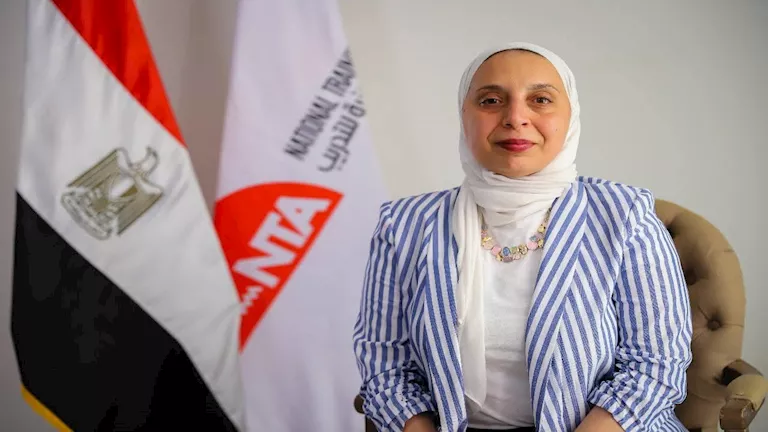
Dr. Reem Mustafa, Undersecretary of the Ministry of Health in Ismailia, emphasized the ministry’s dedication to proactive health protection measures and rigorously verifying the health requirements of all educational facilities. This isn’t merely a reactive approach to outbreaks; it’s a fundamental commitment to preventative healthcare. She stated that maintaining student health is a top priority and these inspections are vital to that end.
The recent inspections, carried out by the Department of Preventative Medicine, focused significantly on the quality of water and sanitation facilities within schools. This highlights the importance of basic hygiene in preventing disease transmission, a cornerstone of public health efforts.
فحوصات دورية لمياه الشرب والصرف الصحي (Regular Inspections of Drinking and Sewage Water)
Dr. Mai Sami, Director of Preventative Medicine, detailed the increased efforts of the Environmental Health Department. Between mid-November and mid-December, inspections were conducted on 163 schools across Ismailia Governorate. This large-scale effort demonstrates a comprehensive approach to الرقابة الصحية على المدارس.
The team, led by Dr. Ghada Hosni, Director of Environmental Health, meticulously examined 43 drinking water stations. These inspections weren’t superficial; they assessed the efficiency of every purification stage. Samples were collected for thorough laboratory analysis to guarantee drinkable water quality.



Additionally, 174 samples were taken from the networks connected to these stations. This multi-faceted sampling strategy ensures an accurate assessment of the water’s safety throughout the distribution system. Furthermore, seven wastewater treatment plants were inspected to ensure they were operating effectively and not posing a risk to public health or the environment.
أهمية فحص مياه الشرب في المدارس (The Importance of Examining Drinking Water in Schools)
Clean water is essential for good health, and this is particularly true for children in schools. Contaminated water can lead to a variety of illnesses, including diarrhea, vomiting, and even more serious infections. Regularly testing and monitoring the water supply helps to identify and address any potential problems before they cause widespread illness.
The focus on water purification stages and network sampling indicates a sophisticated understanding of potential contamination points. Ensuring the effectiveness of purification processes removes harmful bacteria and chemicals, creating a safe drinking water source. Analyzing the network samples identifies potential contamination after purification, pointing to issues with pipelines or storage tanks. This proactive approach directly supports صحة الطلاب (student health).
دور إدارة الصحة البيئية (The Role of the Environmental Health Department)
The Environmental Health Department plays a critical role in protecting public health through monitoring and regulation. In the context of schools, their responsibilities extend beyond just water quality. This includes assessing ventilation, sanitation facilities, food hygiene in canteens (where applicable), and overall cleanliness of the premises.
The department’s intensified activity signifies a commitment to preventative measures and a response to potential health risks. They are not just responding to complaints; they are actively seeking out and addressing potential problems before they escalate. This dedication underscores the seriousness with which the Ministry of Health views the health and well-being of students. The department actively promotes النظافة المدرسية (school cleanliness) as an essential component of a healthy learning environment.
تعزيز الصحة العامة للطلاب (Promoting Public Health for Students)
These comprehensive inspections are not an isolated event. They are part of a continuous and evolving strategy to improve public health within Ismailia, with a specific focus on the vulnerable population of students. By rigorously enforcing health standards in schools, the Ministry of Health aims to reduce the incidence of illness, improve student attendance, and enhance overall academic performance.
Moreover, these efforts raise awareness among school administrations and staff about the importance of maintaining a healthy environment. This fosters a culture of preventative health practices that can extend beyond the immediate scope of the inspections. Ultimately, a healthy school environment contributes to a healthier and more productive society. The long-term goal is to cultivate a sustained commitment to الوقاية من الأمراض (disease prevention) within all educational institutions.
In conclusion, the Ministry of Health’s dedication to الرقابة الصحية على المدارس in Ismailia is a promising step towards ensuring the wellbeing of students and protecting public health. The intensive inspections, particularly of water sources and treatment facilities, demonstrate a proactive approach to preventing disease and promoting a healthier learning environment. Continued monitoring, coupled with increased awareness and collaboration between health authorities and educational institutions, will be vital to maintaining these standards and building a healthier future for the children of Ismailia. We encourage parents and school staff to report any concerns regarding health and safety to ensure a swift and effective response.