
بعد عام من سقوط الأسد.. تعهدات أوروبية أميركية بدعم استقرار سوريا


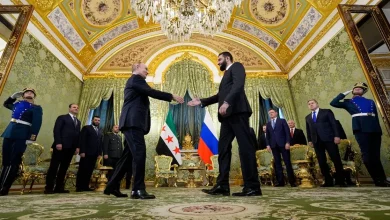
The past year has witnessed a dramatic shift in Syria, with the fall of the Assad regime marking the beginning of a complex transition in Syria. This pivotal moment has garnered international attention, with the United States and several European nations expressing cautious optimism and reaffirming their commitment to supporting a stable and prosperous future for the Syrian people. This article delves into the reactions from key international players, the challenges and opportunities facing Syria, and the path forward for reconstruction and lasting peace.
International Recognition of the Syrian Transition
The United States has been at the forefront of acknowledging the changes in Syria. Secretary of State Marco Rubio lauded the “important steps” taken by the Syrian government and people during this transition in Syria, emphasizing the US commitment to a secure and thriving Syria for all its communities. This sentiment was echoed in a joint statement by Senators Jim Risch and Jeanne Shaheen, commemorating the first anniversary of the Assad regime’s downfall. They described the event as a culmination of the Syrian people’s resilience against decades of oppressive rule, hailing it as a “remarkable achievement” and a beacon of hope for the wider Middle East.
The support isn’t limited to the US. European nations have also voiced their approval of the ongoing developments. Antonio Costa, President of the European Council, stated that Syrians are “moving towards a more stable and inclusive future.” This positive outlook is coupled with a pledge to stand alongside Syria, supporting a peace process led by Syrians themselves, grounded in justice, reconciliation, and the protection of human rights. Spain, Norway, France, and the UK have all issued statements reinforcing their dedication to Syria’s future.
Key Achievements and Emerging Opportunities
The fall of the Assad regime has unlocked several significant opportunities for Syria. Perhaps most notably, the new Syrian government has initiated direct communication with its Israeli counterparts for the first time in decades, opening a potential pathway towards a historic peace agreement. This represents a substantial shift in regional dynamics and a promising sign for de-escalation.
Furthermore, the commitment of the transitional government to combating terrorism and addressing shared security concerns has been welcomed internationally. The progress made since December 2024, as highlighted in various statements, demonstrates a genuine effort to prioritize stability and cooperation. The lifting of sanctions under “Caesar Law” has also been acknowledged as a positive step, though concerns remain about ensuring accountability and preventing the resurgence of illicit activities. This move is seen as crucial for facilitating economic recovery in Syria.

Challenges and Concerns Facing Syria
Despite the positive developments, the transition in Syria is fraught with challenges. The eruption of violence in various parts of the country since March has raised serious concerns about maintaining stability and preventing a descent into further conflict. The need for a national dialogue, reconciliation, and transitional justice is paramount to address the root causes of the unrest and ensure lasting peace.
International actors have also expressed concerns about external interference and the potential for Syria to become a proxy battleground. The European Union has condemned any foreign military actions or attempts to undermine Syria’s stability, reiterating the importance of respecting its sovereignty, unity, and territorial integrity. Specifically, the need to avoid actions that could jeopardize the implementation of UN Security Council Resolution 497 (1981) has been emphasized.
Another significant challenge is the presence of Russian and Iranian influence within Syria. The US and European nations continue to urge the Syrian government to reduce its reliance on these external powers and pursue a more independent path. Efforts to dismantle illegal drug and weapons caches, including chemical weapons, and locate missing Americans, such as Austin Tice, are also ongoing priorities. Addressing these issues is vital for fostering trust and attracting further international investment in Syria’s reconstruction.
The Path Forward: Stability, Justice, and Prosperity
The international community remains united in its commitment to supporting Syria’s journey towards a stable, representative, and prosperous future. The focus is on providing continued political dialogue, urgent humanitarian assistance, and long-term reconstruction support.
The statements from European leaders, including Spanish Foreign Minister José Manuel Albares and Norwegian Foreign Minister Espen Barth Eide, underscore the importance of upholding human rights and ensuring equal opportunities for all Syrians, regardless of gender or background. Kosovo’s President Vjosa Osmani highlighted the resilience of the Syrian people and their unwavering pursuit of freedom. French Foreign Minister Jean-Noël Barrot emphasized the need for justice for the victims of the Assad regime and security for the Syrian population.
The UK’s mission to Syria, via its X account, expressed continued hope for a positive transformation, reaffirming its support for peace, prosperity, and stability for all Syrians. Ultimately, the success of the transition in Syria hinges on the ability of the Syrian people to overcome their internal divisions, embrace inclusive governance, and build a future based on justice, reconciliation, and respect for human rights. The international community stands ready to assist in this endeavor, but the responsibility for shaping Syria’s destiny lies firmly in the hands of its own citizens.