
الاتحاد الأوروبي يجمد الأصول الروسية إلى “أجل غير مسمى”

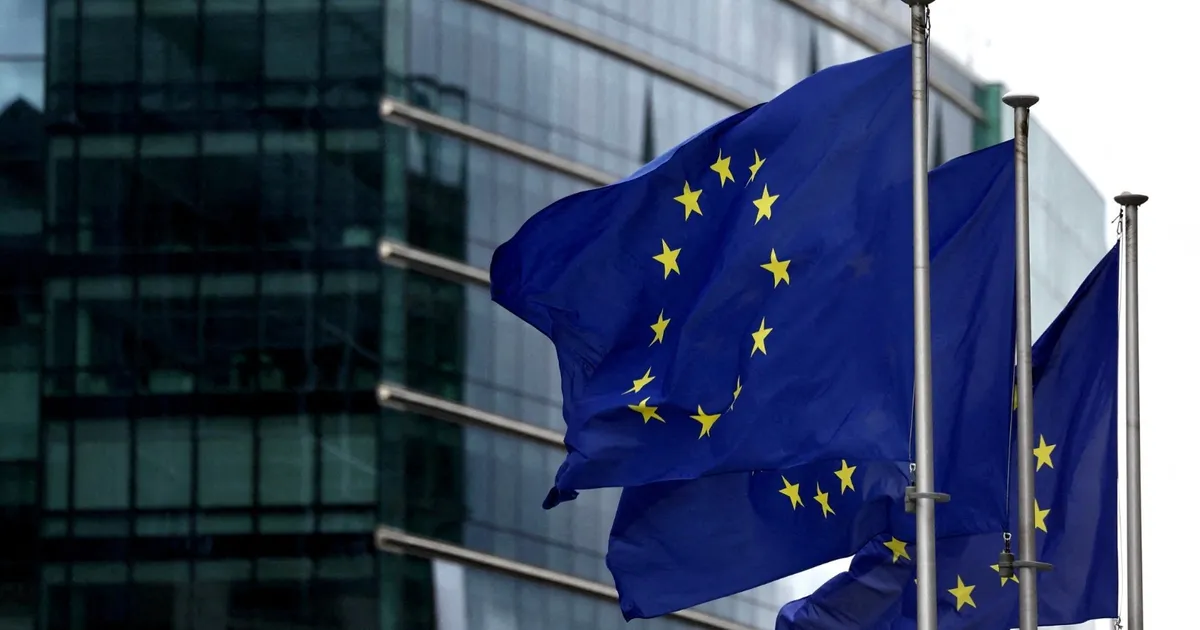
The European Union took a decisive step Friday, freezing Russian assets held within its borders indefinitely, a move designed to circumvent potential obstruction from Hungary and Slovakia regarding the allocation of tens of billions of euros to support Ukraine through a “compensation loan” mechanism. This action underscores the EU’s commitment to aiding Ukraine amidst the ongoing conflict and navigating complex internal political dynamics. The core of the issue revolves around utilizing frozen Russian assets to bolster Ukraine’s financial and military stability.
الاتحاد الأوروبي يجمد الأصول الروسية لدعم أوكرانيا: تفاصيل القرار
The EU’s decision leverages a special mechanism reserved for economic emergencies. This freeze will remain in place until Russia ceases its aggression against Ukraine and provides reparations for the extensive damage inflicted over nearly four years of war, as reported by the Associated Press. European Council President Charles Michel affirmed that European leaders pledged in October to maintain the freeze on Russian assets until these conditions are met, stating, “Today, we delivered on that commitment.”
This move paves the way for EU leaders to finalize plans during their upcoming summit on how to utilize the substantial funds – estimated at around €210 billion ($247 billion) – held in the form of Russian Central Bank assets. The primary goal is to secure a large loan to address Ukraine’s financial and military needs over the next two years. Michel further indicated that securing Ukraine’s financial needs for 2026-2027 is the next priority.
Crucially, the decision prevents the use of these frozen assets in any negotiations to end the war without the explicit consent of the European Union. The vast majority of these funds, approximately €193 billion ($225 billion) as of the end of September, are held by Euroclear, a Belgian financial clearinghouse.
معارضة المجر وسلوفاكيا وتداعياتها
Hungary and Slovakia have consistently voiced opposition to further financial aid for Ukraine. However, Friday’s decision effectively bypasses their ability to block the extension of sanctions, facilitating the use of the frozen assets.




Hungarian Prime Minister Viktor Orbán, a close ally of Russian President Vladimir Putin, strongly criticized the decision, arguing that it signifies “the end of the rule of law in the European Union” and accuses European leaders of placing themselves above established rules. He further stated, “The European Commission is systematically violating European law. It is doing so to continue the war in Ukraine, which is clearly unwinnable.” Orbán pledged that Hungary “will do everything in its power to restore the rule of law.”
Similarly, Slovak Prime Minister Robert Fico, in a letter to Michel, declared his refusal to support any initiative that “involves financing Ukraine’s military expenses for the coming years.” He also warned that utilizing the frozen Russian funds could jeopardize ongoing U.S. peace efforts, which he believes rely on the potential use of these assets for Ukraine’s reconstruction.
مبررات المفوضية الأوروبية والاعتراضات الأخرى
The European Commission defends its actions by highlighting the significant costs imposed by the war, including soaring energy prices and slowed economic growth within the EU. The Commission points out that the EU has already provided nearly €200 billion ($235 billion) in support to Ukraine.
Belgium, the location of Euroclear’s headquarters, has expressed reservations about the “compensation loan” plan, citing “significant economic, financial, and legal risks.” Belgian authorities have called for other nations to share the associated risks. The debate surrounding the use of frozen assets is therefore multifaceted, extending beyond the immediate issue of aid to Ukraine.
رد فعل روسيا: دعوى قضائية ضد يوروكلير
The Central Bank of Russia responded to the EU’s decision on Friday by filing a lawsuit in Moscow against Euroclear, seeking compensation for damages incurred due to the inability to manage its assets. Euroclear declined to comment on the matter.
Euroclear currently holds approximately €17 billion ($20 billion) of the Russian funds. The outcome of this lawsuit, or similar legal challenges, could significantly impact the fate of these assets. In a separate statement, the Central Bank of Russia denounced the EU’s broader plans as “illegal and contrary to international law,” asserting a violation of “the principle of sovereign immunity of assets.”
تقييم قانوني وتداعيات مستقبلية
European Commissioner for Economy, Valdis Dombrovskis, downplayed the significance of the Russian lawsuit, stating that the EU’s decision is “legally sound” and anticipating further legal challenges from Russia aimed at obstructing the EU’s commitment to international law.
Chris Wefer, CEO of Macro-Advisory Consultants, noted the timing of the legal action, linking it directly to the EU’s intention to utilize the frozen assets. He explained, “The Central Bank of Russia is sending a message that it will respond with legal action against any country involved in the decision to confiscate Russian funds.”
The EU’s decision follows closely on the heels of Germany summoning the Russian ambassador in Berlin, citing accusations of sabotage, disinformation campaigns, cyberattacks, and interference in elections. This confluence of events underscores the escalating tensions between the EU and Russia.
In conclusion, the European Union’s decision to freeze Russian assets and explore their use to support Ukraine represents a significant escalation in its response to the ongoing conflict. While facing internal opposition and potential legal challenges, the EU remains steadfast in its commitment to providing Ukraine with the necessary financial and military assistance. The long-term implications of this move, particularly regarding international law and the future of EU-Russia relations, remain to be seen, but it undoubtedly marks a pivotal moment in the geopolitical landscape. Further discussion and analysis of this complex issue are encouraged.