

“إعصار الملح”.. سيناتور أميركي بارز: الاستخبارات الصينية ما زالت تخترق شبكاتنا

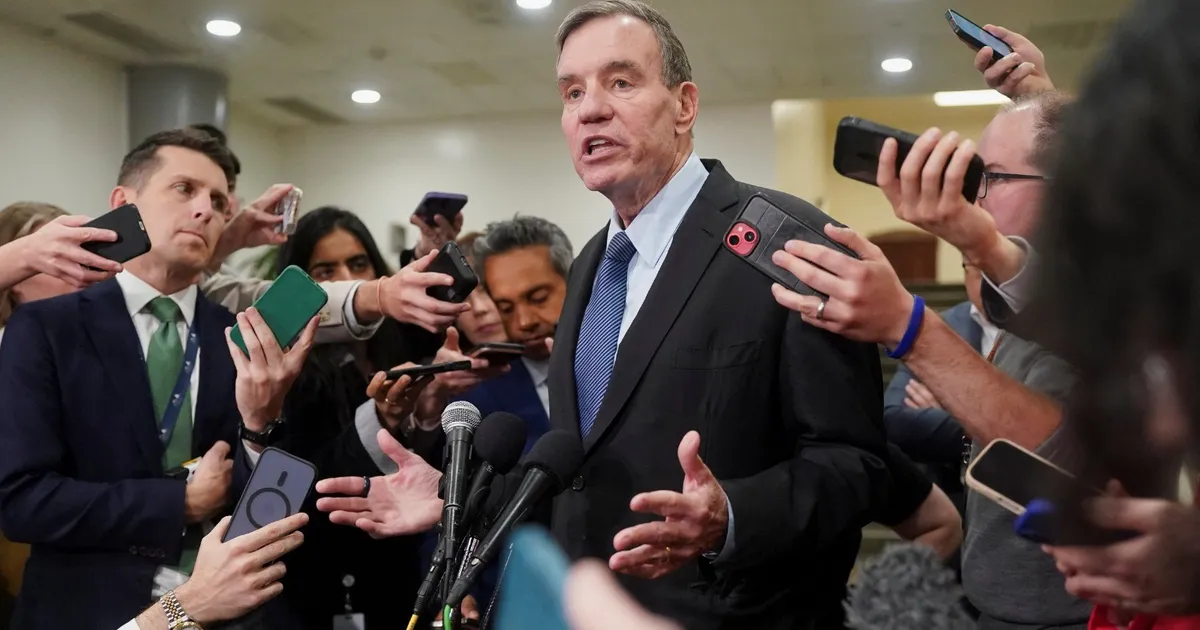
The escalating threat of Chinese cyber espionage has once again come under the spotlight, with alarming reports suggesting a widespread breach of US communication networks. Senator Mark Warner, a leading figure in the US Senate Intelligence Committee, has issued a stark warning about the continued infiltration, dubbed “Salt Typhoon,” potentially granting access to the communications of a vast majority of Americans. This article delves into the details of this concerning situation, the criticisms leveled against previous administrations, and the broader implications for US national security.
تحذيرات بشأن تجسس صيني واسع النطاق على شبكات الاتصالات الأمريكية (Warnings About Widespread Chinese Espionage on US Communication Networks)
Senator Mark Warner recently voiced serious concerns regarding ongoing, large-scale hacking attributed to Chinese intelligence agencies. According to reports in the Financial Times, this operation, known as “Salt Typhoon,” has compromised US communication networks, potentially allowing China access to the conversations of most Americans. The senator’s warnings highlight a persistent and evolving threat that demands immediate attention. The core of the issue revolves around the vulnerability of US infrastructure to sophisticated cyberattacks, and the potential consequences are far-reaching.
انتقادات لإدارة ترامب وتجاهل التجسس (Criticism of the Trump Administration and Ignoring Espionage)
Warner didn’t hesitate to criticize the previous administration’s priorities, specifically pointing to a perceived focus on immigration enforcement at the expense of bolstering cybersecurity defenses. He argued that resources were diverted from crucial counter-espionage efforts, leaving the nation more vulnerable to attacks like Salt Typhoon. He described the intelligence briefing he received as “deeply frustrating,” citing conflicting accounts regarding the Trump administration’s response to the ongoing threat.
“It’s baffling to me that this isn’t a bigger issue,” Warner stated, expressing fear that a significant incident might be required to galvanize a more robust governmental response. He revealed that the FBI initially claimed the networks were “largely clean,” but other intelligence agencies presented contradictory evidence, with eight documents indicating the operation continued for at least two years. This discrepancy in assessment underscores the complexity of identifying and mitigating such sophisticated attacks.
نطاق “إعصار الملح” وقدرات القراصنة الصينيين (Scope of “Salt Typhoon” and the Capabilities of Chinese Hackers)
The “Salt Typhoon” operation, carried out by hackers linked to China’s Ministry of State Security, is particularly alarming due to its potential reach. Warner explained that the hackers are capable of accessing unencrypted phone calls, meaning almost anyone in the United States could be a target. “If your device isn’t encrypted, they can target any one of us,” he warned. This highlights the importance of end-to-end encryption for all forms of communication.



Furthermore, Warner indicated that Russia and Iran are likely attempting to exploit the vulnerabilities revealed by Salt Typhoon. He reasoned that these nations would recognize the weaknesses in US defenses and seek to capitalize on them. “It was predictable that Russia or Iran or others would look at this and say, ‘My God, these are the vulnerabilities, and America hasn’t done much to close them. Shouldn’t we try as well?’” he stated. This demonstrates the ripple effect of a successful cyberattack, as adversaries learn from each other’s tactics and exploit shared weaknesses.
إعادة توجيه موارد مكتب التحقيقات الفيدرالي (FBI Resource Reallocation)
A significant contributing factor to the slow response, according to Warner, was the FBI’s decision to reassign up to 45% of its personnel from counterintelligence and counterterrorism units to focus on immigration enforcement. He labeled this move “utterly foolish,” arguing that it weakened the nation’s ability to defend against cyber threats. This reallocation of resources directly impacted the capacity to investigate and neutralize operations like Salt Typhoon, leaving critical vulnerabilities unaddressed.
هشاشة البنية التحتية للاتصالات الأمريكية (The Fragility of US Communication Infrastructure)
Experts, like former CIA China specialist Dennis Wilder, corroborate Warner’s concerns. Wilder explained that the US communication infrastructure is more vulnerable than those in Canada and Europe due to its fragmented nature. He noted that the US prioritized rapid network development over robust cybersecurity measures, resulting in a patchwork system with numerous weaknesses.
“The administration made decisions to scale back federal efforts to counter cybersecurity threats to national security,” Wilder said, citing reductions in staff at the Cybersecurity and Infrastructure Security Agency (CISA) despite the growing threat landscape. Addressing these vulnerabilities will require substantial investment and a comprehensive overhaul of the nation’s communication infrastructure. Analysts estimate that replacing outdated equipment to enhance security against Chinese hacking could cost billions of dollars.
استجابة الإدارات المتعاقبة (Response of Successive Administrations)
While the Biden administration acknowledged the severity of the “Salt Typhoon” campaign upon its discovery, progress in addressing the issue has been limited. Notably, the Trump administration had already reduced the number of government specialists equipped to handle such threats. Jake Sullivan, former National Security Advisor under President Biden, described the campaign as “unique in its massive scope” when it was initially uncovered. This underscores the long-term and complex nature of the challenge.
الخلاصة: ضرورة الاستجابة الفورية لتهديد التجسس السيبراني (Conclusion: The Need for an Immediate Response to the Cyber Espionage Threat)
The revelations surrounding “Salt Typhoon” and Senator Warner’s warnings paint a concerning picture of the ongoing cyber espionage threat posed by China. The situation is further complicated by potential exploitation of vulnerabilities by other adversaries like Russia and Iran. Addressing this challenge requires a fundamental shift in priorities, including increased investment in cybersecurity infrastructure, a reversal of resource reallocations away from counterintelligence, and a collaborative effort between government agencies and the private sector. Ignoring this threat is no longer an option; a proactive and comprehensive response is crucial to safeguarding US national security and protecting the privacy of its citizens. Further research into cybersecurity vulnerabilities, Chinese hacking groups, and national security threats is highly recommended to stay informed about this evolving landscape.